By Rumaisa Islam
As 2025 draws to a close, the state of global health feels more uncertain than ever. Few sectors have endured more turbulence than healthcare, marked with defining moments from the very beginning of the year such as the United States’ withdrawal from the World Health Organization. Trump’s second presidential term has overseen massive funding cuts not only to medical research and health services within America, but also countless policy decisions that have inflicted continuous damage on the health systems of countries worldwide. In this moment of justified fear and tangible harm already visible in health outcomes, and as the U. S. continues to retreat from its long-held role as a leader in global health, I have found myself returning to a country seldom credited as a source of perspective and hope – Bangladesh.
As a recent graduate who studied global health for several years, Bangladesh remained prevalent throughout my class discussions. When we studied a new disease or public health crisis, I would hear Bangladesh’s name continually invoked and images of sick, malnourished children were strewn across lecture slide after lecture slide. It comes as no surprise that many would view Bangladesh’s health situation as substandard; these are the very same notions I internalized at a young age, even before becoming a student. As a diaspora Bangladeshi raised in the U. S., I only ever saw the country I was born in portrayed as disease-ridden, poverty-stricken, and overcrowded. I would not have believed anyone if they told me such a densely populated country actually held an extremely successful record of family planning initiatives.
Undoubtedly, Bangladesh remains faced with a wide array of health challenges to this day, but continuously painting a negative portrait of Bangladesh’s history and current public health goals without acknowledging its successes is disingenuous. The history of public health interventions in Bangladesh merits respect and consequently offers a necessary frame of reference to view the potential for successful health outcomes everywhere. It is not just an underdog story, but a model of learning and success that deeply fractured healthcare systems, like that of the United States, can learn from.

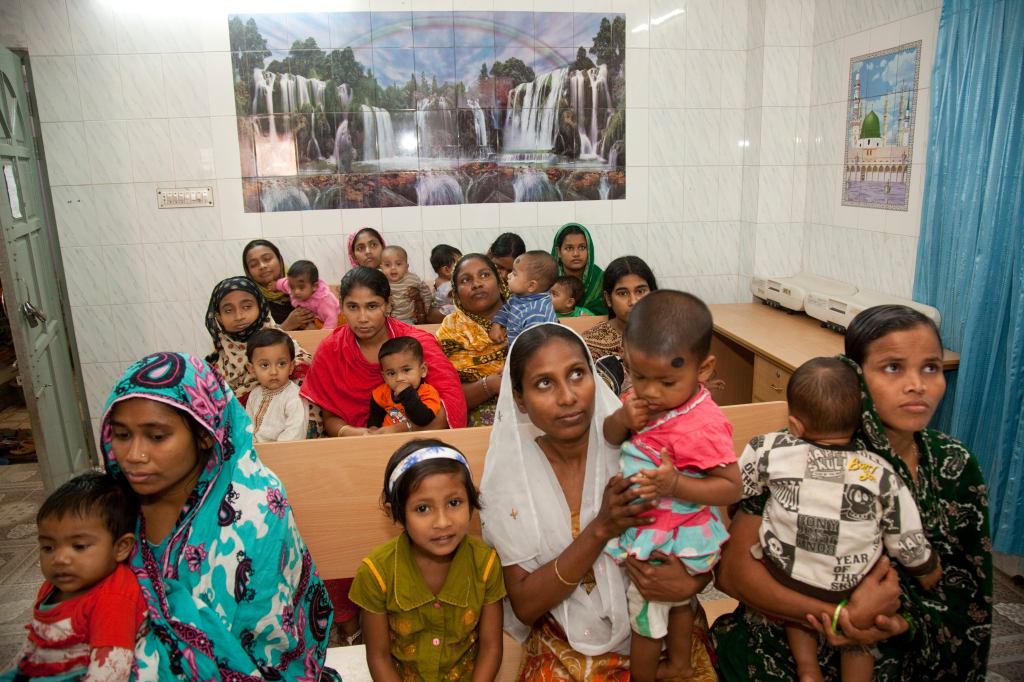
After 1971, Bangladesh inherited a nation grappling with the economic, social, and political effects of a recent liberation war and genocide. Infamously referred to by then-U.S. National Security Advisor Henry Kissinger following liberation as an unsalvageable “basket case” – despite his role in facilitating the atrocities the people of Bangladesh endured – the country rose to challenge the doubt cast on its future and established itself as a burgeoning economy in a matter of years. Bangladesh’s healthcare progress is clear: life expectancy rose from 58 to 74 years, while deaths fell from 1,500 to 715 per 100,000 people across the time period of 1990 to 2019. This should be contextualized with the fact that the country has a relatively low health-care expenditure and has been praised as an example of “good health at low cost.” This concept was initiated in 1985 by the Rockefeller Foundation to analyze the ability of certain regions to achieve success in the face of constrained resources, and the progressive policies implemented that may elucidate how such success was met. Bangladesh, as a case study, illustrates just this with a high political investment post-independence in healthcare and related sectors like education and transportation that facilitated easier access to services.
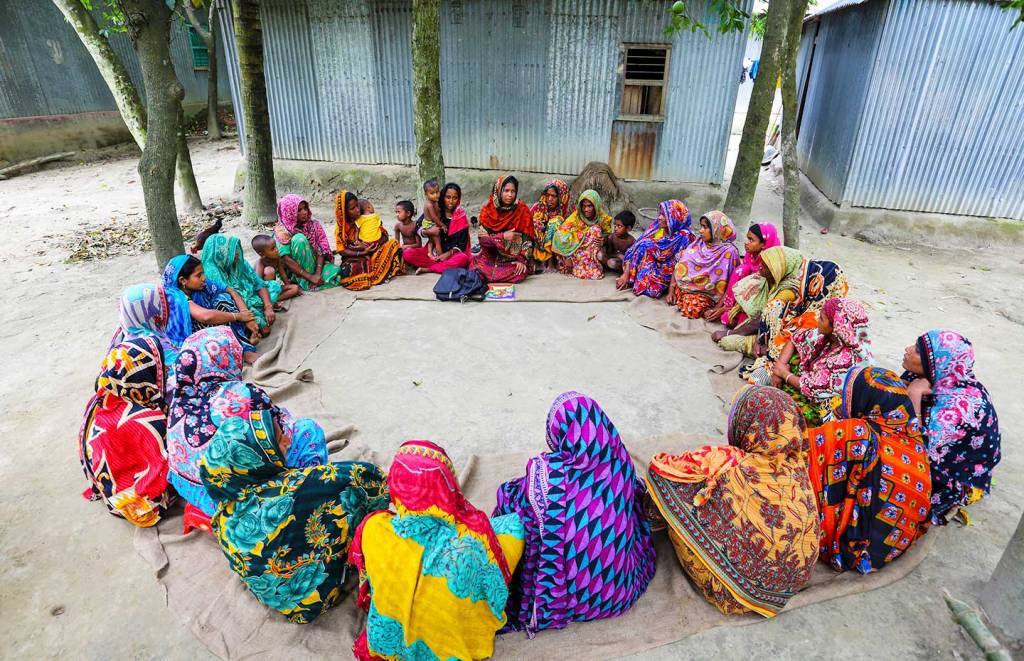
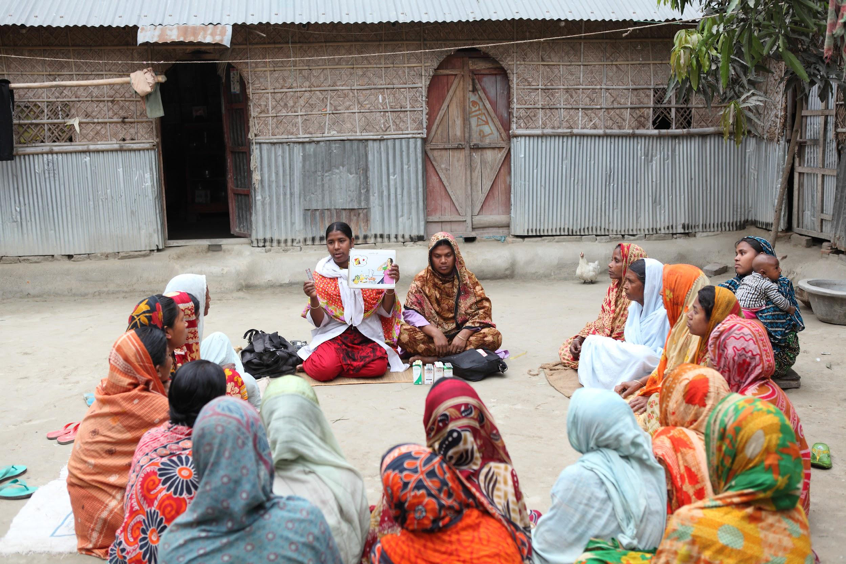
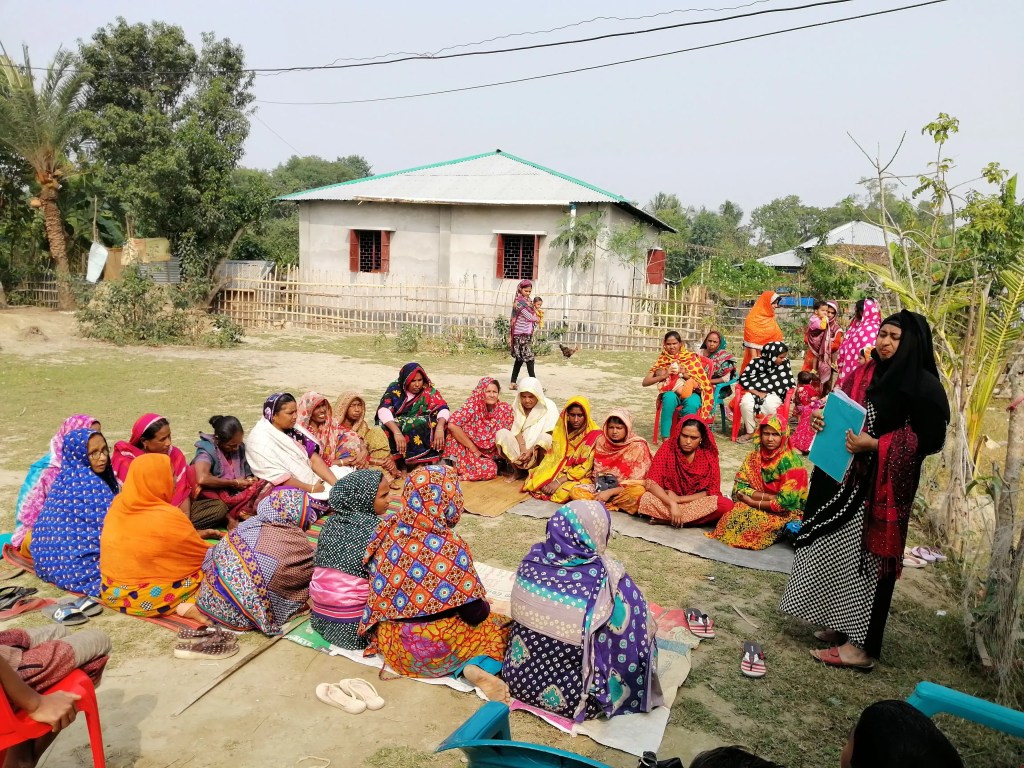
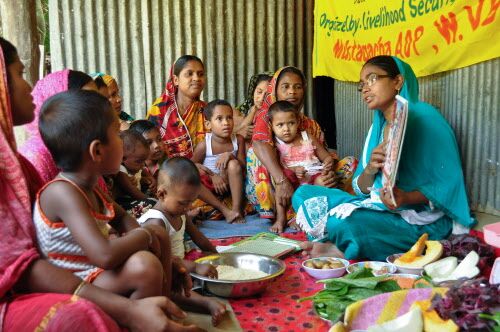
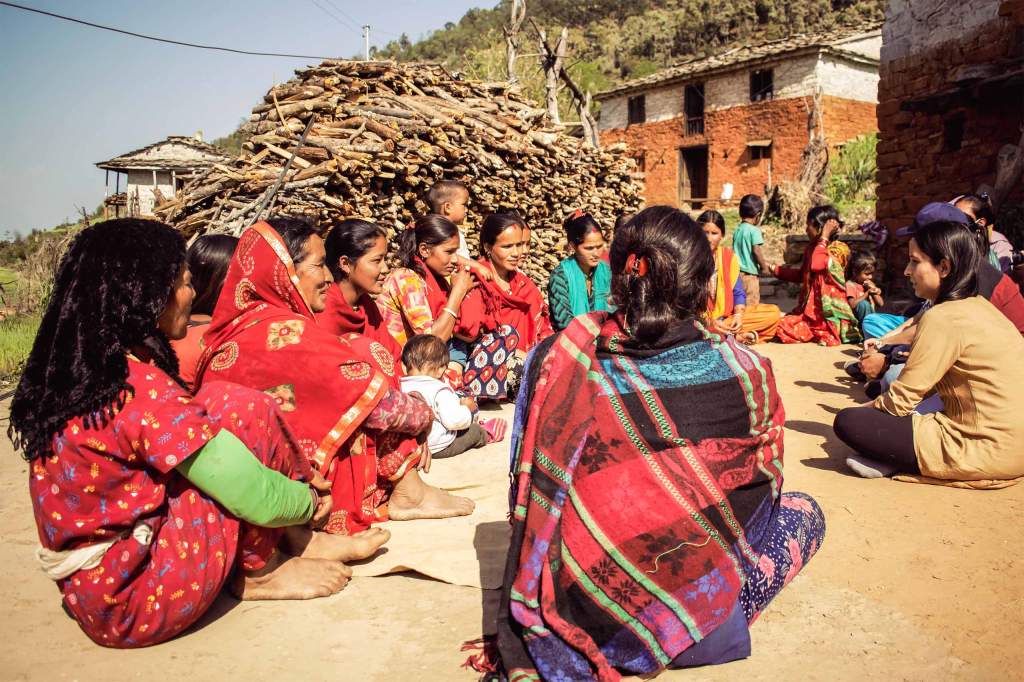
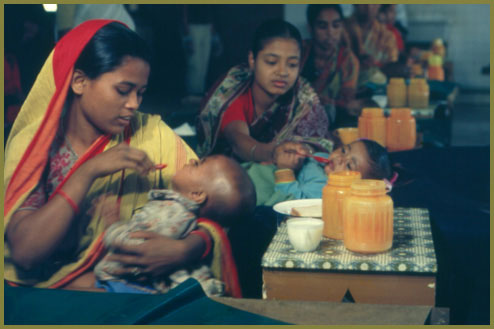
By 1976, mitigating the population growth rate was declared by the Bangladeshi government as the country’s most pressing issue. In came the country’s lauded family planning programs that helped achieve phenomenal decreases in fertility rates. A pivotal aspect of this family planning intervention strategy was an emphasis on community health workers (CHWs) to deliver information on contraceptives to families’ doorsteps, a measure primarily organized by BRAC. Although male paramedics were initially deployed to mirror the “barefoot doctors” method used in China of sending workers with basic medical training to conduct outreach in rural villages, the focus was soon shifted to utilizing female CHWs to directly appeal to women.
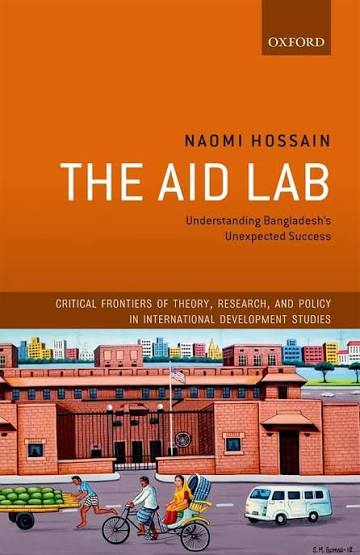
Some of the most notable examples of these innovative approaches are initiatives like the Shasthya Shebikas (SS) and Shasthya Kormis (SK), spearheaded by BRAC. Drawing from the CHW strategy utilized in China, the SS mobilized a much-needed workforce of female health workers to connect with the women these family planning measures targeted. The Shasthya Shebika program trained women selected by their community to educate families on a variety of health safety measures like nutrition, immunization, and contraceptives on monthly visits. From 1990 to 2021, the number of workers in this program increased from 1,080 to 43,000. Shasthya Kormis directly deliver care and supervise groups of Shasthya Shebikas, alongside a medical doctor. Initiatives such as these have been commended for boosting the empowerment of female workers and challenging existing norms. As professor Naomi Hossain writes in The Aid Lab: Understanding Bangladesh’s Unexpected Success, utilizing female health care workers was integral to many programs’ success and reflected “the recognition that times had changed and so had gender relations.” This strategy is also credited with engendering dramatic increases in contraceptive use and declining fertility rates from 6 births per woman in the mid-1970s to ~2 births per woman as of 2023. These gains in family planning measures have been widely praised against the backdrop of the high mortality and poverty rates the country faced post-independence.
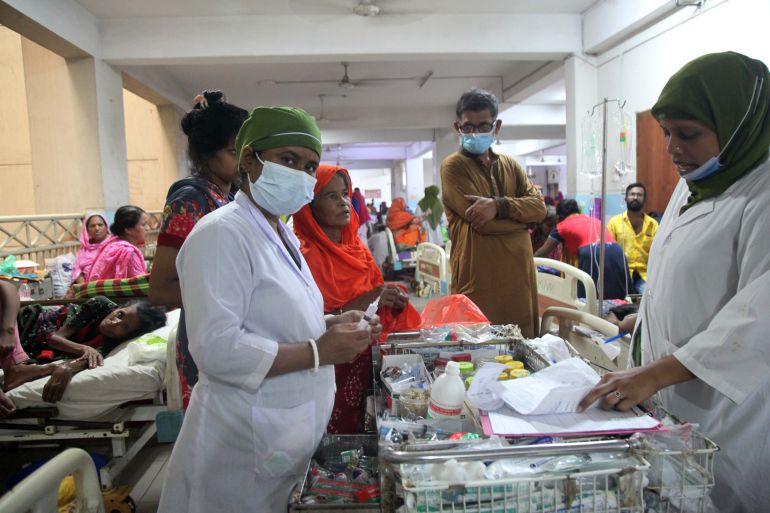

Bangladesh’s contributions to health outcomes across the globe are numerous. Oral rehydration therapy (ORT), previously hailed as one of the most significant medical advances of the 20th century, was developed and implemented by a team consisting of various Bengali health professionals including Dr. Dilip Mahalanabis and Dr. Mujibur Rahman, as well as international scientists such as Dr. Richard Allan Cash. This treatment provides a solution of water, electrolytes, and sugar for patients affected by severe dehydration as a result of diarrhea. The Indian subcontinent dealt with rampant outbreaks of cholera throughout the 1960s, at which time intravenous fluids (IV) were the first-line treatment to treat this disease, but such therapy was not widely available in resource-scarce settings. After a cholera outbreak in 1967 in Bangladesh (then East Pakistan), significant trials were conducted to advance ORT development as a practical, effective alternative to IV treatment. This work was conducted at the International Centre for Diarrhoeal Disease Research, Bangladesh (icddr,b).
Originally founded in 1960 as the Cholera Research Laboratory established by SEATO, icddr,b faced initial funding struggles after the independence war. These subsided after an agreement was made between the Bangladeshi government and the United States Agency for International Development (USAID), and icddr,b remains one of the most renowned research institutions in the country. The brilliance in innovation of ORT was illustrated in 1971, where Dr. Malahanabis administered it in refugee camps near Kolkata. Its life-saving use in real-time emergency scenarios affirmed the versatility of ORT; it is estimated that the implementation of ORS has saved around 70 million lives worldwide. In terms of child health, the treatment prevents up to 93% of childhood diarrhea deaths and led to a decrease of child mortality globally by 80%.
Further notable accomplishments include Bangladesh’s strong track record of vaccination programmes, especially for diseases like measles and rubella. The country was plagued with a unique challenge with COVID-19 vaccination to ensure doses were delivered to communities across the country. Eventually, a collaborative effort between the Ministry of Health, BRAC, and other NGOs funded by contributors like the World Bank and Asian Development Bank saw the establishment of 1,060 mass immunization centers built across the country. The expanded program on immunization (EPI) has achieved significant progress in ensuring coverage for young children since 1979.
While there are numerous more accomplishments of the country’s health systems to list, it is imperative to go beyond the initial step of unlearning pervasive beliefs that Bangladesh is a helpless, destitute country to pity. Learning more about the nation’s public health history has made especially clear to me the ways in which the American healthcare system, with its destructively high costs and persistent inefficiencies and equity challenges, could improve. Clinical reader Dr. Matthew Harris writes in his book, Decolonizing Healthcare Innovation: Low-Cost Solutions from Low-Income Countries, of how countries comprising the Global North should take heed of health care lessons from the Global South. He speaks of his experience working as a doctor in Brazil and seeing the success of community health clinics, and trying to bring back critical lessons to his home country of the U. K. to no avail. In particular, he writes of the continually perpetuated idea that research conducted in countries other than Western powers is inessential. Not only does this propagate colonial attitudes, but leads to the neglect of practical, tangible health solutions developed in the Global South and a scarcity in knowledge in global health.
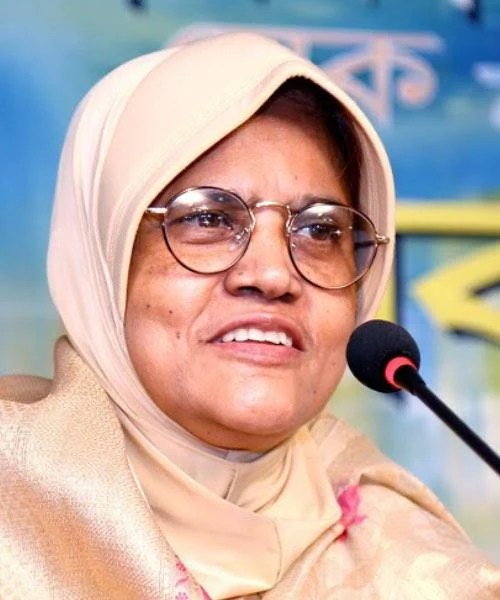
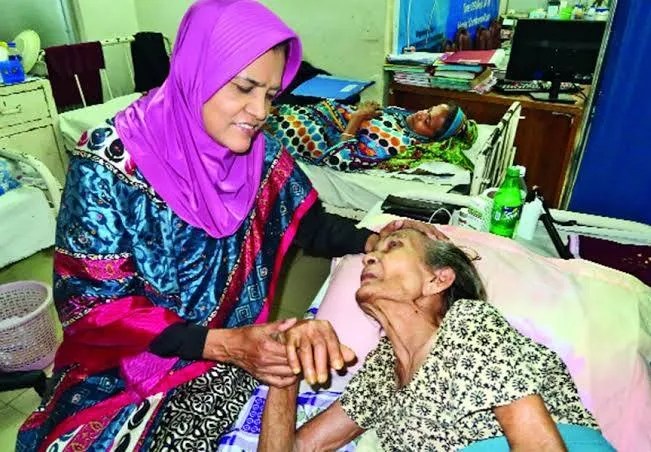
The dismissal of critical research from countries in the Global South can be highlighted specifically in the example of the Sayeba method. This technique was developed by Dr. Sayeba Akhter, chair of Dhaka Medical College’s OB-GYN department, after witnessing the number of new mothers dying from postpartum hemorrhage, or excessive bleeding after giving birth. Postpartum hemorrhage drove up rates of maternal mortality in the country decades ago, at which time the main intervention was to have women’s uteruses removed. She devised a method of using a condom and catheter to apply pressure on the uterus, an inexpensive treatment credited with saving the lives of millions of mothers not just in Bangladesh but worldwide.
However, the Sayeba method has not been given the recognition it deserves in international journals and is continually referred to as the “condom-catheter technique” with no mention of who designed it. In addition, the method continues to be dismissed as a frugal intervention that might just be applicable for resource-limited settings. As Dr. Harris writes, the method has been, “appropriated by the West for scaling back into the very settings that invented it, and discounted by the West by implying they are only for low-income countries, and not for high-income ones.”
Bangladesh’s achievements, like those of many others, should not be seen as relevant only to “poor countries.” Suggesting that innovative methods like the Sayeba method are reserved only for low-income countries undermines their ingenuity and absolves countries like the United States of the responsibility to utilize life-saving, cost-effective treatments for their people. If anything can be understood from the promotion of therapies like Sayeba’s method and ORT, it is that simple, low-cost interventions are not to be doubted and are justifiably applicable in contexts outside the Global South. American public health practices emphasize expensive and high-tech interventions, while key practices like these are cast aside. Expensive medical procedures are inaccessible to many Americans facing systemic barriers, emphasizing the need for low-cost solutions all the more. Additionally, pushing community health workforces into further prominence has been proven effective. Studies on pilot programs in the U. S. have highlighted the reduction in costs and improvement in health outcomes that the use of CHWs can entail. Several trials indicated significant results with patients seen by CHWs in lowering hospitalization or emergency room visit rates as well as reducing overall health costs. Despite this, CHWs remain underfunded and unintegrated into American health systems.
This is not to say there are no outstanding public health concerns in Bangladesh at all; the country continues to face a large burden of illness across non-communicable and communicable diseases alike. Research in Medicine, Conflict and Survival describes the aftermath of the July revolution in 2024 as creating an “immediate public health crisis” after thousands were killed. The ongoing physical and psychological repercussions of those affected and injured cannot be overstated. Even in the components of Bangladeshi healthcare that are historically successful, there remains vast room for improvement. Pertaining to the family planning programs, one analysis argues that the door-to-door services offered by CHWs have yet to bridge gaps in gender equity. By excluding men from the intervention strategy and information campaigns on contraceptive use, they run a critical risk of placing the burden entirely on women. Services encouraging men to be informed on sexual and reproductive health knowledge should be advocated for.

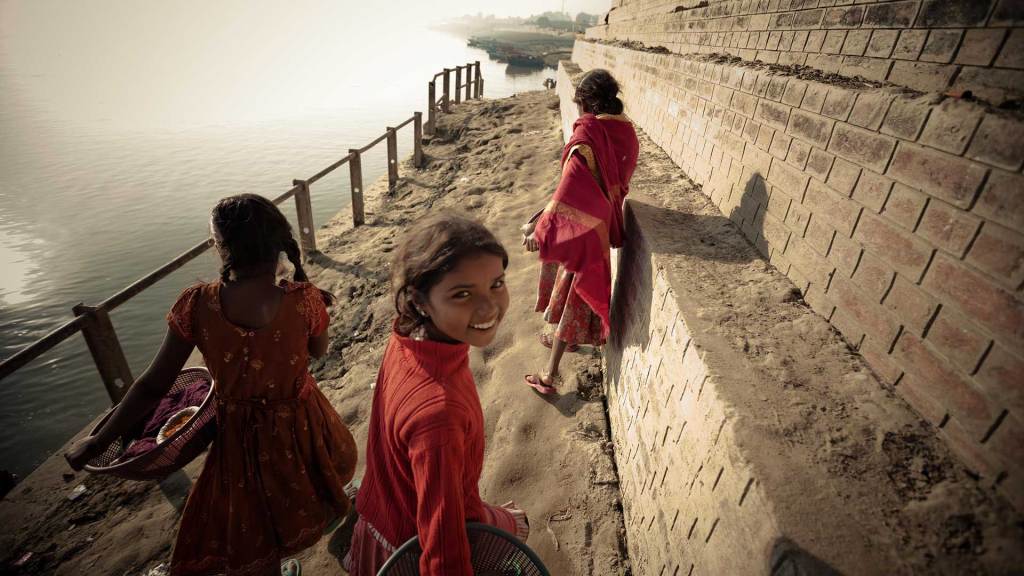
Critical disparities in healthcare delivery and access undoubtedly persist. Despite the fact that over 60% of Bangladesh’s population lives in rural regions, a majority of health facilities and providers are concentrated in urban areas. Within this exists even deeper disparities driven by structural racism, which results in notable inequalities for minority ethnic groups in Bangladesh. Consider the obstacles that persist when the vast majority of health services and materials are disseminated solely in Bangla. One study of maternal health care uptake in the Chittagong Hill Tracts region, an area home to 41 ethnic languages, includes personal testimonies from indigenous people who firmly expressed a need to receive health care in their native language. Beyond language barriers, minority groups have experienced more negative outcomes in doctor-patient relationships compared to Bengali patients receiving the same care, receiving less supportive communicative behaviors from primarily Bengali doctors. These significant healthcare disparities post an especially pressing threat to the aging population for communities like the indigenous people of the Chittagong Hill Tracts. Any work that seeks to further bolster Bangladesh’s healthcare landscape must value and center the needs of all communities.
Still, there is much to celebrate and honor in the public health trials and tribulations of a country that gained independence just over 50 years ago. I have frequently heard that being a public and global health advocate is “more important now than ever” in recent years, and I have most certainly felt the gravity of this in the past few months. The current U. S. administration has been notably engaged in an unrelenting attack on public health and science as a whole, with wide-reaching consequences worldwide as evident in the recent funding suspensions in USAID. Shortly after this suspension, 1,000 employees of icddr,b (which reportedly obtained 20% of its funding from USAID) were laid off. I had the opportunity to intern at icddr,b this past summer, and the lasting impacts of these funding cuts were far from negligible. If the importance of an institution like this has resonated at all, it should be clear what a critical blow this is to a research center that has contributed so much to Bangladesh’s history. While agencies like USAID are not above criticism as prime examples of American soft power, it is undeniable its dismantling and subsequent withdrawal of funds worldwide pose critical risks. USAID-funded hospitals in Rohingya refugee camps in Bangladesh provide essential services, disruption of which raises severe humanitarian concern.
Bangladesh has proven itself time and time again as worthy of respect and support in global health. This attention should endure now into Trump’s second presidency rather than being diminished in any way. The country’s history of adapting to decades of adversity with ingenuity and community-centered care attests to the resilience of its people. Public health researcher Dr. Junaid Nabi writes of his time volunteering with the International Committee of the Red Cross in Dhaka after the 2013 Rana Plaza building collapse that claimed over a thousand lives, praising the mass mobilization of people from all backgrounds gathering to care for those affected. In 2020, in the wake of disaster from the catastrophic Cyclone Amphan, members of Bangladesh Red Crescent and a volunteer-based network known as the Cyclone Preparedness Program organized door-to-door visits en masse to warn their communities. To view Bangladesh solely through the lens of suffering or scarcity is an erasure of the radical progress made and the invaluable lessons it offers to the world. Bangladesh’s innovations are not just victories for the nation but critical contributions to global health as a whole.
We must move past the colonial framing of countries like Bangladesh as objects of pity, but rather as vital agents of innovation. Bangladesh’s success stories in public health are not random or anomalies. They are intentional, carefully crafted models to learn from. At a time when countries in the Global North like the U. S. still have not achieved long-promised visions of providing equitable healthcare, looking to Bangladesh is not a display of solidarity but a strategic imperative we cannot afford to ignore.
 The Bengal Gazette