By Wafa Khan

The pounding on the door in the dead of night. The blue and red lights flash through the curtains, disrupting the silence of the night. The shouts demanding names and answers tore apart the fragile quiet of home. These aren’t just stories whispered between friends anymore; they’re a brutal reality for immigrant communities across the United States. Under the second Trump administration, immigrant families are hunted. Their very existence is questioned, their presence deemed criminal. A new wave of ICE raids has turned everyday routines into acts of courage. Be it walking to school, driving to work, or picking up groceries, the mundane has become a terrifying gamble. Even the most basic acts of living are now tinged with fear. The fear of being ripped away from your family without warning, of being profiled for nothing more than the way you look or the language you speak.
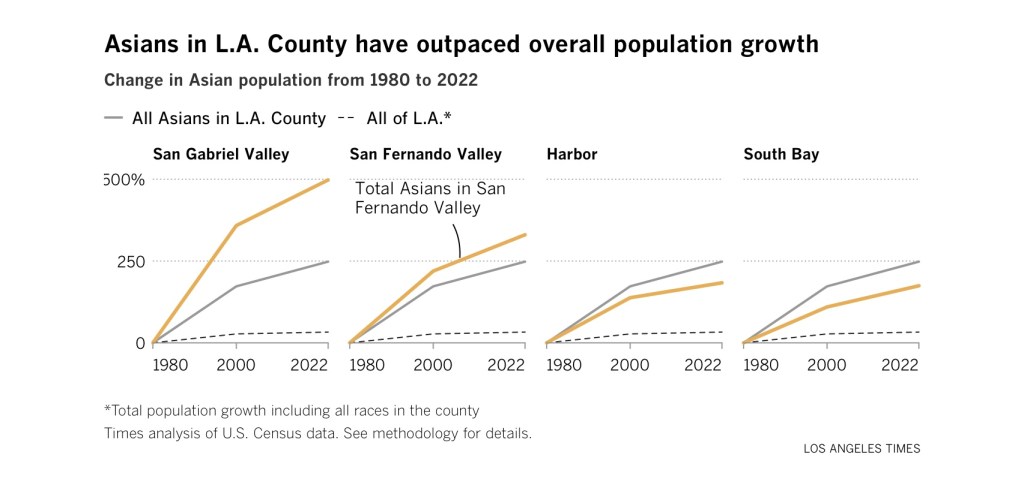
According to a recent Los Angeles Times analysis of 40-year census data, Los Angeles County is home to more Asian Americans than any other county in the country. Los Angeles County has more than 14 Asian-majority suburbs, with a population that tripled from 417,000 in 1980 to over 1.4 million today, comprising 15.3% of the county’s population. Yet this cultural hub has become ground zero for a new wave of fear and anxiety. Neighborhoods like Koreatown, Little Tokyo, Chinatown, Historic Filipinotown, and Little Bangladesh, once vibrant, resilient, and hopeful, now feel haunted. After speaking with several community members about the recent ICE Raids and their implications, it became clear just how deeply this hurdle is affecting our community.

Asha is a mother of three, and every morning, she drops her children off at school with a heavy heart. “Every day that I drop my kids, I worry about being approached by ICE or law enforcement,” she says. “There are school police, which I used to not mind, but now I worry that they can separate me from my kids.” The fear doesn’t fade when she drives away, it lingers all day. Toufiq, an international student from Bangladesh, also explains how these recent raids have affected his daily life. He was driving for Uber one Saturday in Downtown L.A. when he got pulled over. The officer demanded his driver’s license and work permit, asked probing questions, and scrutinized every inch of his car. Everyone else just drove by, unphased. “I was the only one they stopped — no one else,” he says, still shaken. Even though he had everything in order, including his license and work permit, he still couldn’t shake the feeling that his presence was a problem. It felt as if he was unwelcome in a place he had come to think of as home. This isn’t just about immigration policy, it is about what our values are as a society. When parents like Asha fear being torn from their children, when students like Toufiq are singled out for who they are or where they come from, it erodes the very foundation of trust and belonging that holds a community together.
For survivors of domestic violence, the threat of deportation and family separation adds another layer of fear already marked by trauma. The systems and policies in place create a climate where speaking up runs the risk of losing everything. Atik left his home country for safety, but here, in the land he thought would shelter him, he lives in constant fear. “I do not feel safe to go out and work,” he says, his voice weighed down with dread. “What will happen to my family if I am taken away? They have no one here.” Virdhi, a single mother who fled abuse, thought she had finally found a safe space. “Just when I thought things were getting better, now things are uncertain again. Is this how I have to live — being so far away from home, in fear?” The trauma of this uncertainty extends beyond survivors and includes elders who one took pride in their independence.
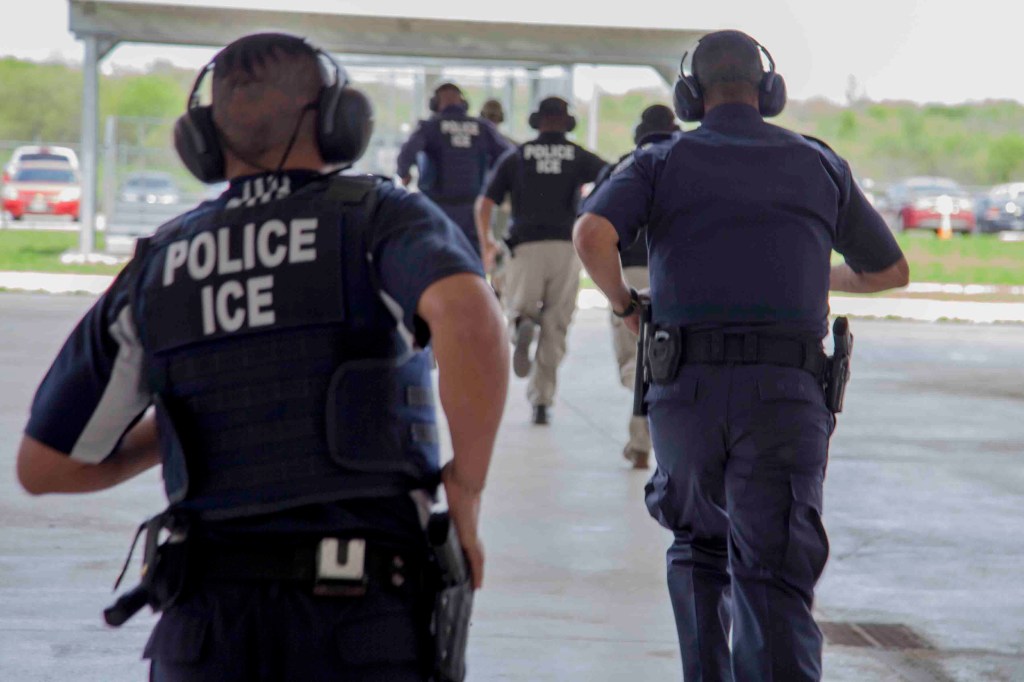


Farhad, who used to walk to the post office every morning, now hesitates at the door. “Going to public buildings for mail or to receive services is a really scary feeling. I do not feel comfortable going to places I used to go daily since Trump came into office.” The world around him has grown smaller and the routine that once brought him comfort now feels dangerous.
It shouldn’t be like this. Fear should not be the price for existing and silence should never be mistaken for safety. There is a way to protect our communities and to make sure that no one faces this reality alone. That is why Know Your Rights campaigns matter. These tools are more than legal guides or abstract concepts; they are grounded in power and dignity, serving as instruments of resistance. They teach community members how to respond to ICE and law enforcement and how to hold their ground, even when fear sets in. It’s not just about knowing your rights— it’s about having the right words to say and the confidence to speak them when you feel scared. These seminars provide practice rehearsals for survival. The participants feel the stress and frustration firsthand. In that moment, they learn how to find their voice, how to insist on their rights, and how to face intimidation without folding. Experiencing that tension in a safe and supportive space prepared me for the real deal.

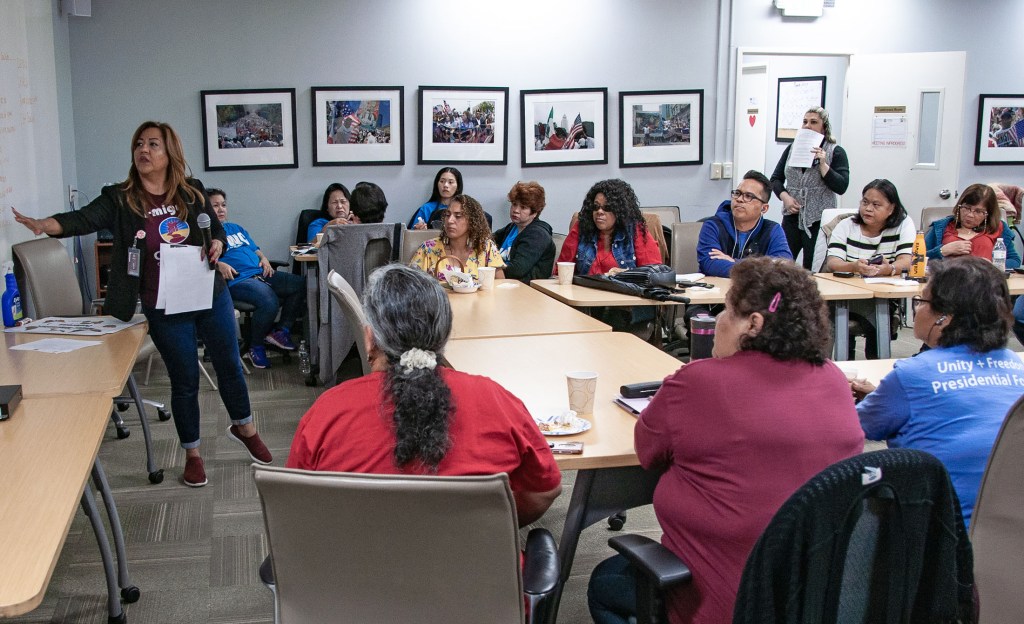
Lisa Lei, Project Coordinator for the UCLA Labor Center’s Asian American Racial Justice Project, has made it her mission to make these campaigns accessible to as many people as possible. “We need to make sure that our community members understand that they do have rights, even in the face of ICE intimidation. Knowledge is power, and the more people know, the less likely they are to be unfairly targeted,” she says. It sounds so simple, just knowing your rights, but in practice, it can be transformative. With that being said, there is hope that these trainings will be expanded upon and done in different languages. When rights are explained to people in their native tongue, it removes the barrier of misunderstanding and empowers individuals to grasp and assert their rights fully.
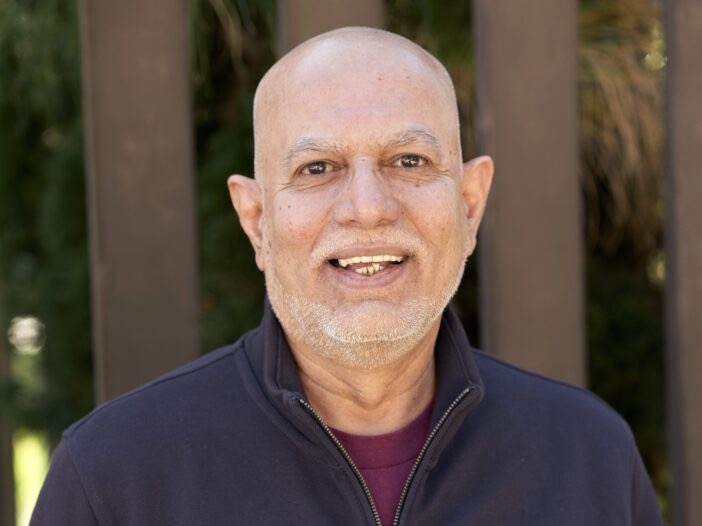
Shakeel Syed, who leads the South Asian Network, is equally passionate about spreading awareness. “Many Asian immigrants do not realize that they have constitutional protections,” he explains. This may be due to language obstacles, fear of law enforcement, and limited access to accurate legal information which can all create gaps in understanding. Many come from countries where challenging the government is dangerous, so they may assume they have no rights in the United States either. There is also a widespread lack of culturally relevant legal education and community-based outreach. “We’re trying to build networks of solidarity and self-defense in the community.” These efforts go beyond just raising awareness; they are about the right to exist without fear in a country where legal protections are under attack.
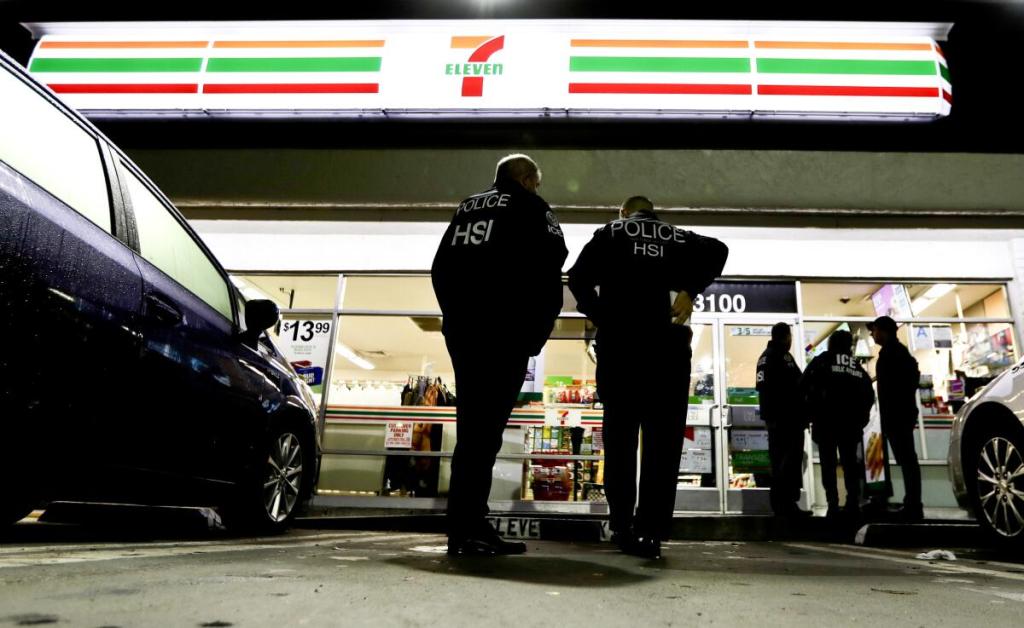

There is strength in how these communities refuse to break. This is not just about resisting ICE or getting through another hostile administration. It is crucial to highlight constitutional rights because they are increasingly being violated. Immigrants are often denied due process, detained without hearings, and deported without seeing an immigration judge. Knowing their rights is a form of protection and resistance. We have to continue to fight and demand the right to exist with dignity and show up for each other, even when it feels impossible. Fear only survives when it convinces us to stand alone. It feeds on isolation, but we will not give them the satisfaction of watching our communities split. Asian American communities have always known to fight back. We have survived exclusion, internment, and the wave of hatred following 9/11. Our allies in the Black, Latinx, Indigenous, and immigrant communities have stood with us, just as we have stood with them. Solidarity must be more than words; it has to be action, protection, and an unwavering commitment to one another. We will protect each other because we know that real safety does not come from power but from people who refuse to let injustice win.
Read More:
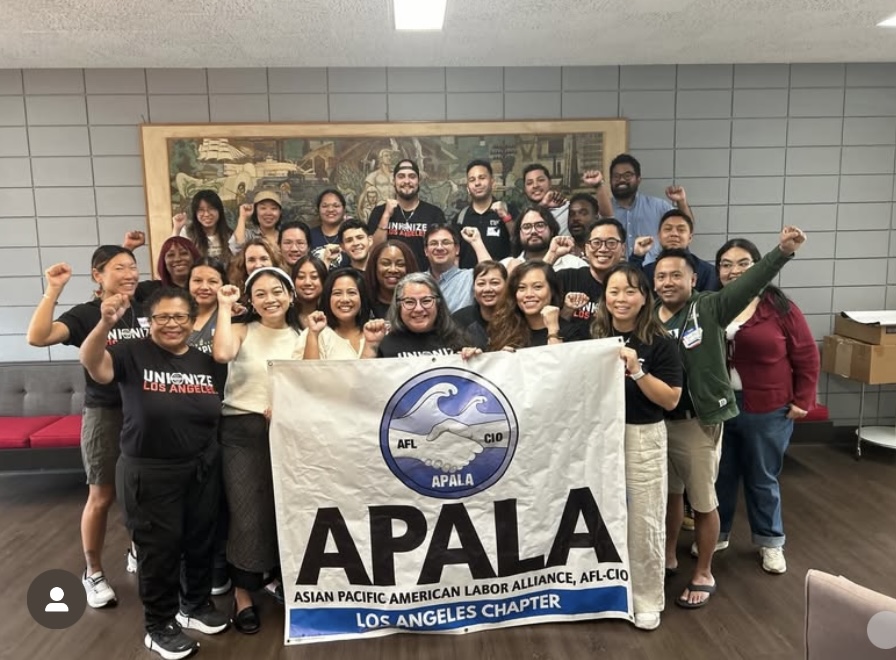
The Asian Pacific American Labor Alliance (APALA) has been at the forefront of building solidarity and resistance, not just within the Asian American community, but across movements for racial and economic justice. APALA empowers workers, immigrants and communities to protect themselves. Join the movement to stand up for dignity and justice. Learn more about APALA’s campaigns and how you can get involved. Visit here and learn how you can take action today.
 The Bengal Gazette