Dear Bengal Gazette Reader,
On behalf of our Editorial Board, we hope your summer is going well. For this summer, we have compiled a list of books by editors here at the Bengal Gazette. We hope you give these books a read this summer:
- Echoes of 1971 by Parvez Elahi Chowdhury
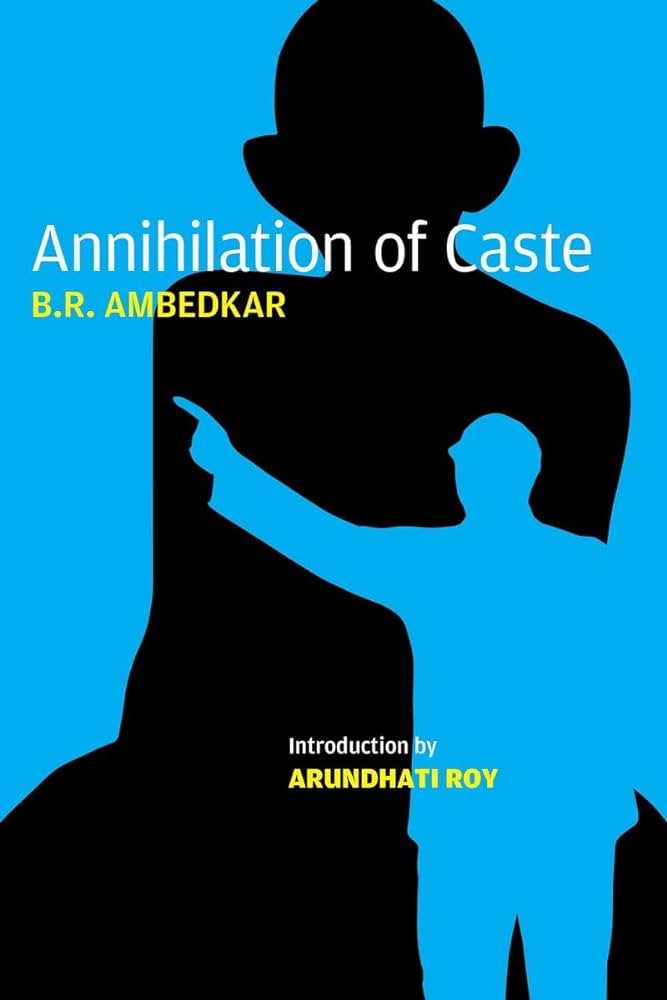
- Annihilation of Caste by B.R. Ambedkar
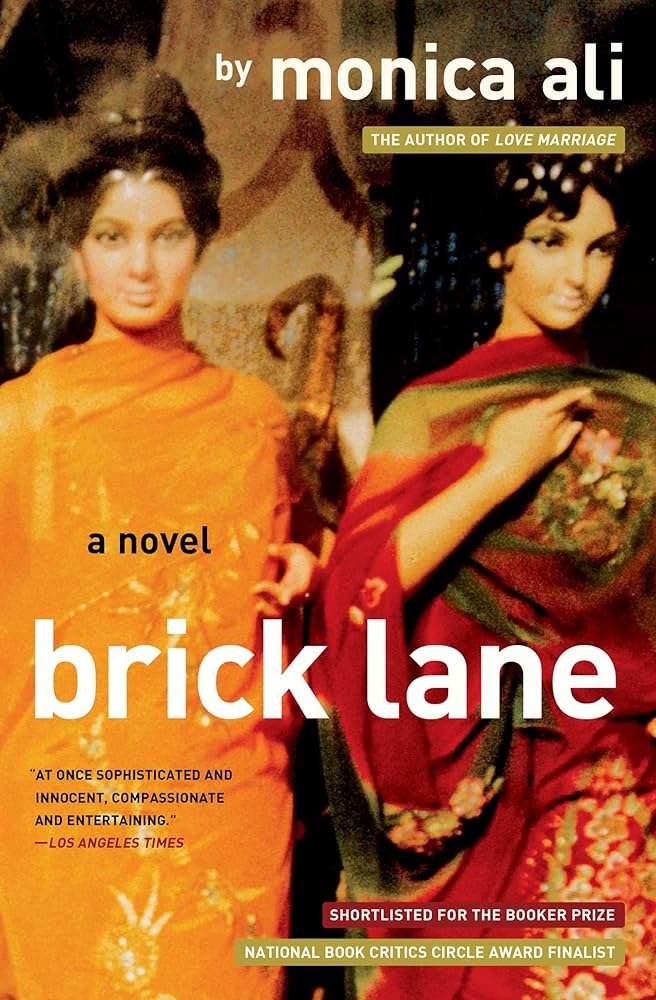
- Brick Lane by Monica Ali
- Hostile Homelands by Azad Essa
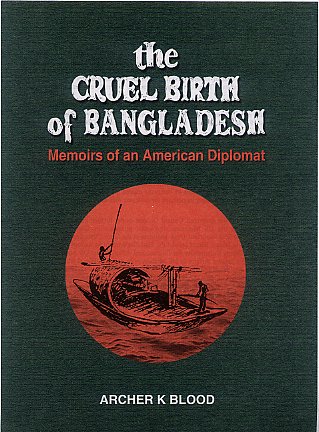
- The Cruel Birth of Bangladesh by Consul General Archer Blood
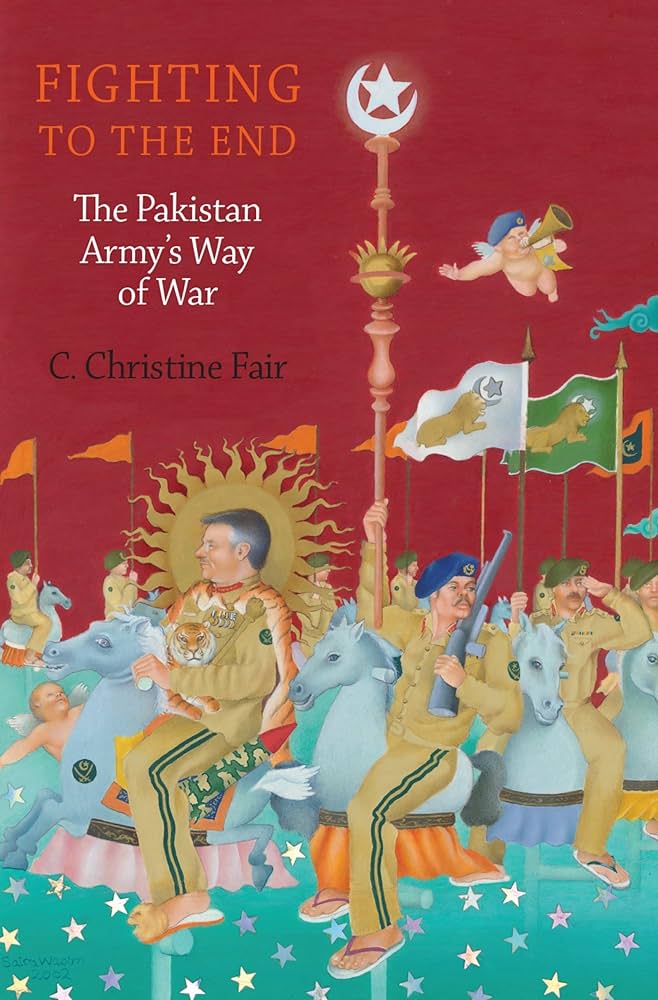
- Pakistan Army’s Way of War by Christine C. Fair
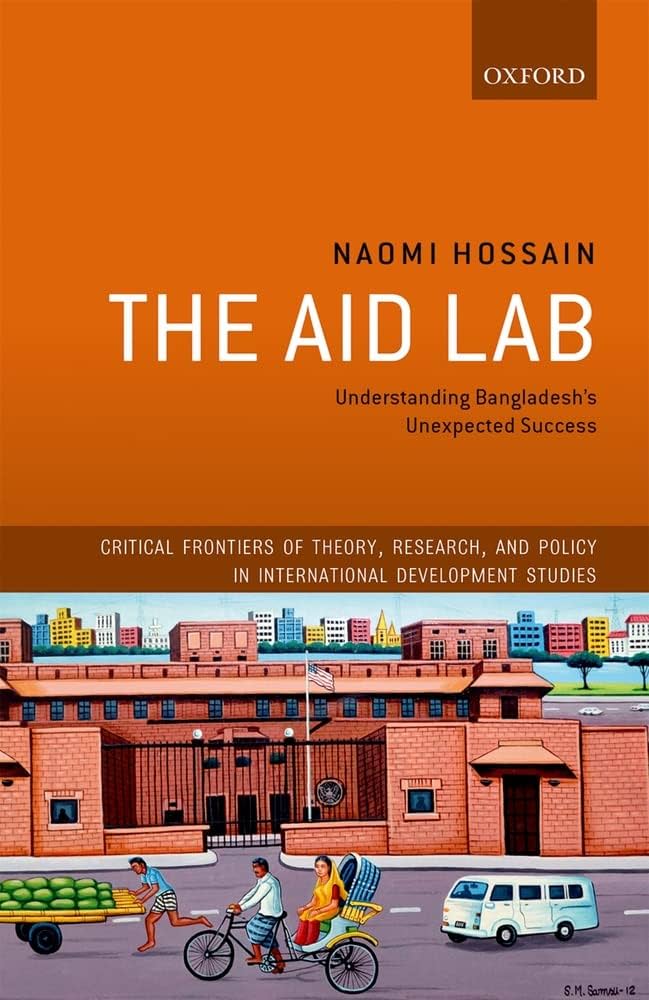
- The Aid Lab by Naomi Hossain
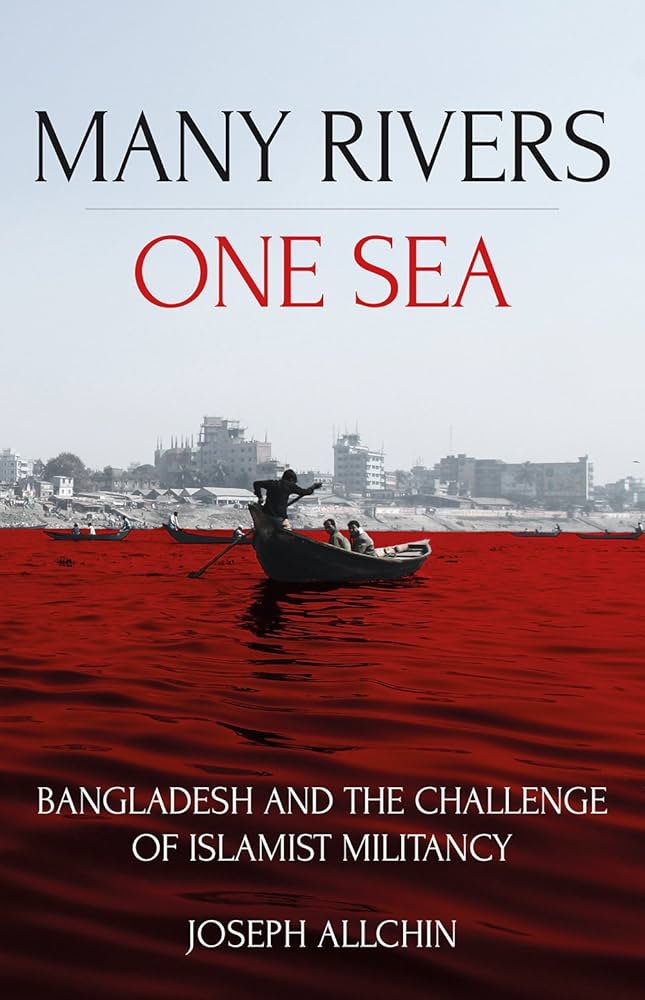
- Many Rivers, One Sea by Joseph Allchin
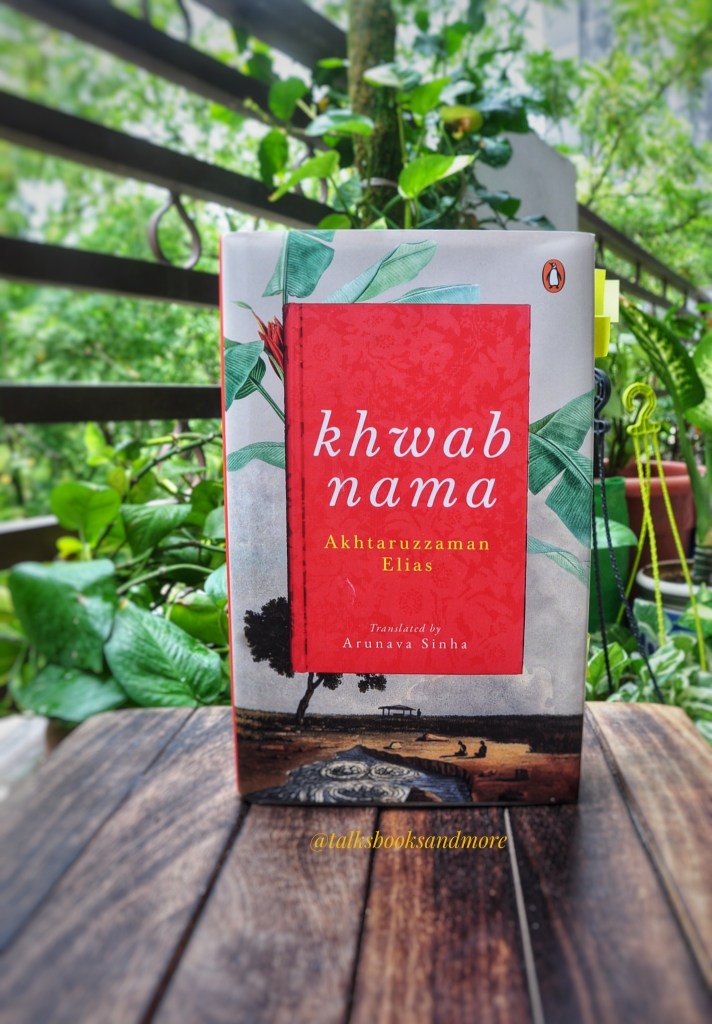
- Khwabnama by Akhteruzzaman Elias
- Borof Gola Nadi by Zahir Raihan
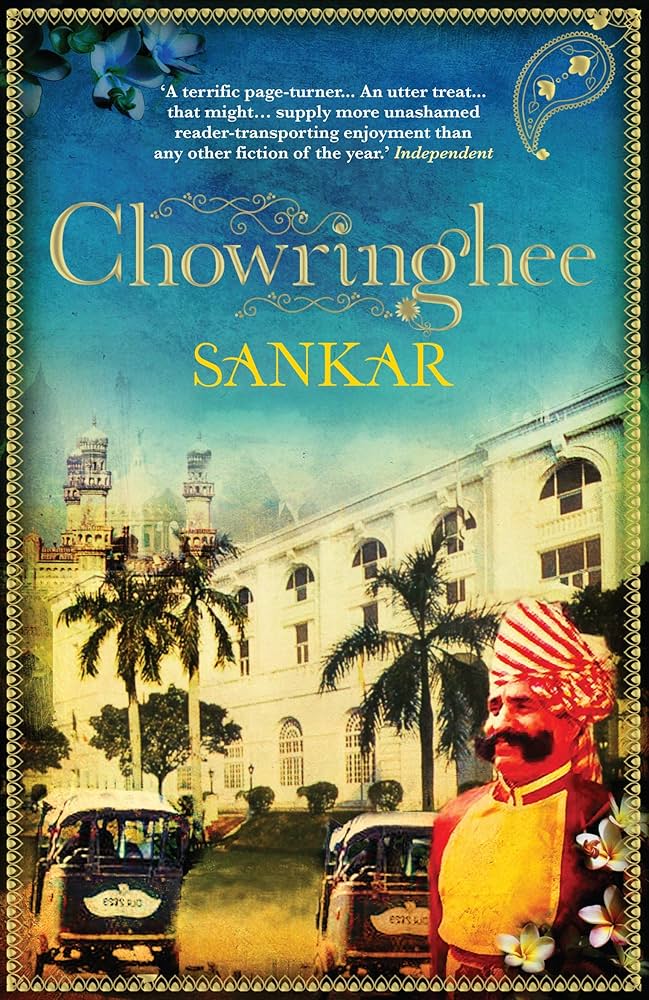
- Chowringhee by Sankar




Echoes of 1971 by Parvez Elahi Chowdhury
Narrations of the 1971 Bangladesh Liberation War are many in number, but significant memoirs and personal narratives of individual survivors are scant and seemingly hard to recall. To this end, “Echoes of 1971” is a valuable addition.
This memoir written from the perspective of a 16-year-old wounded teenager, stands as proof of how a tragic chapter of a life-long struggle from a common person can shed light on the country’s birth with poignant colors. The writer, Parvez Elahi Chowdhury, describes the tragedy of how his family’s four martyrs were tortured at the hands of the Pakistani Army, how mothers of Bengali families smilingly led their children off to war or provided shelter to Freedom Fighters during the war. Through vivid storytelling, Chowdhury captures the trauma and resilience of those affected by the war, reflecting on both personal and collective memories of 1971.
The narrative is not only a recollection of the brutalities faced but also a tribute to the spirit of resistance and the struggle for independence that defined Bangladesh’s fight for liberation. Chowdhury’s account serves as a testament to the enduring scars of the war and the ongoing process of healing and remembrance for those who lived through the Liberation War.

Annihilation of Caste by B.R. Ambedkar
Known as the “Father of the Indian Constitution,” B.R. Ambedkar was a famed jurist, economist, writer, social reformer and leader of the Dalit Buddhist movement. As a member of the Mahar, the largest untouchable caste in Maharashtra, who excelled in places like Columbia University and later the national politics of the nascent Indian Independence movement, Ambedkar is a titan in the long view of South Asian history for his advocacy of Dalits and caste-oppressed people.
“Annihilation of Caste” is a seminal work written by Ambedkar on the discourse of caste and social justice in India. While originally written as a speech to be presented in the Jat-Pat Todak Mandal conference in 1936, it was prevented from being presented due to its content deemed too controversial for the time. The speech was later published by Ambedkar and has been the preeminent critique of the caste system as well as a call for its total abolishment.
The speech begins with a dissection of the religious and social foundations of caste, which Ambedkar argues is not just a division of labor, but a division of laborers which is inherently hierarchical and oppressive. Drawing from religious texts, contemporary realities and historical contexts, he exposes the deep-rooted injustices perpetuated by the caste system in a comprehensively fearless critique of Hinduism. Ambedkar makes clear that caste’s embedded news in religious doctrines and social mores, makes its abolition challenging. His advocacy goes deeper by criticizing national figures like Mahatma Gandhi for falling short of condemning caste, highlighting his bold commitment to social equality.
Scholarly and accessible, the text is heralded to this day among caste liberation activitists, academics and policymakers alike who struggle in the face of caste oppression to this day. A must-read for everyone, the “Annihilation of Caste” is also a call to action setting out a need for social transformation based on the complete abolition of caste as well as an establishment of society based on liberty, equality and fraternity.
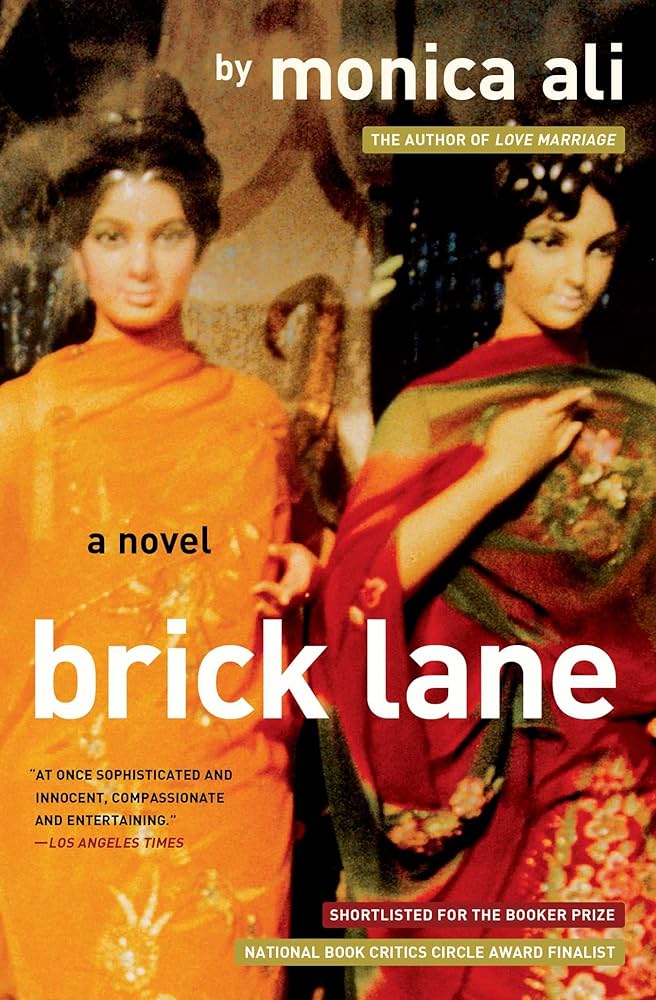
Brick Lane by Monica Ali
Published in 2003 as the debut novel by British-Bangladeshi novelist, Monica Ali, “Brick Lane” is a hallmark fictional narrative about the lives of Bangladeshi immigrants in the UK told through the character of a woman named Nazneen. Nazneen’s tale begins with her arranged marriage to Chanu, an older Bangladeshi man living in the UK, who brings her to the famed Sylheti-dominated neighborhood of Brick Lane. Readers witness her journey from a passive, compliant wife to a woman who starts questioning her fate and seeking her own path in the immigrant society she finds herself in.
Struggling between cultural expectations carried from her homeland and the realities of her new environment in the UK, Ali offers the reader a deep dive into the immigrant experience tying in themes of cultural identity, assimilation and the overall Bangladeshi immigrant experience. The novel’s other characters like Nazneen’s children, her sister Hasina and the young activist Karim, adds layers of diversity in an attempt to capture the immigrant community reminiscent of Brick Lane. Themes of duty, love and resilience are touched upon through letters to her sister, while the structure of the novel alternating between internal reflection and external challenges exposes the reader to an intimate exploration of Nazneen’s character.
Bangladeshi diasporas in the West have yet to be truly studied and provided authentic narratives for, but “Brick Lane” offers a thought-provoking and emotionally resonant first attempt. The novel has received criticism by Ali’s own British-Bangladeshi Sylehti diaspora for her stereotypical and one-dimensional approach, while Western readers have provided positive acclaim for the novel. All in all, the novel is an incredible addition to ongoing iterations of Bengali diaspora narratives, which will undoubtedly see future attempts from other communities.
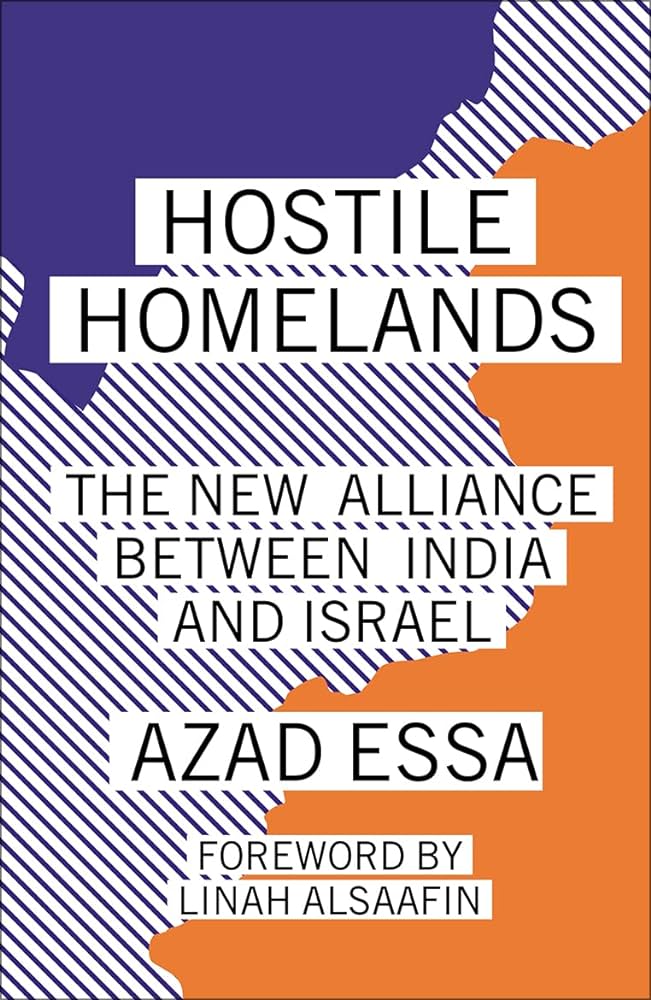
Hostile Homelands: The New Alliance Between India & Israel by Azad Essa
Initially, independent India adopted a non-recognition policy with Israel under the leadership of Jawaharlal Nehru, who greatly empathized with the Palestinian cause. However, the official policy has diametrically shifted not just under Narendra Modi after his election in 2014, but earlier in the 1990s with the rise of Hindu Nationalism and economic liberalization. From trade to military and intelligence cooperation to the rising ethno-nationalist agendas under their current, incumbent right-of-center Prime Ministers, Benjamin Netanyahu and Narendra Modi, the India-Israel relation has evolved further away from the stance Nehru once set for the newly independent South Asian nation.
Journalist Azad Essa offers a comprehensive account of this evolving alliance, displaying how this relationship has transformed over the decades especially in the context of military and political cooperation. Documenting the historical and ideological connections that have shaped this partnership, Essa shows how its implications have also affected the Palestinian and Kashmiri struggles. Shifting away from Nehru’s anti-colonial and pro-Palestinian stance, Essa describes how India’s embrace of Hindu Nationalism starting with the 1992 opening of an Israeli Embassy has seen the country chart a new course based on realpolitik and ideological alignment.
Going further, Essa critiques the ideological similarities of Hindutva and Zionism as exclusionary, ethno-nationalist projects as a major driving force shaping India-Israel relations and diverging factor away from the country’s initial Nehruvian stance on Israel. “Hostile Homelands” provides a particularly incisive treatment of how Hindu Nationalist diaspora lobbies have mimicked pro-Israel lobbying tactics by manipulating accusations of “Hinduphobia” in order to silence criticism of treatment of religious minorities, mainly Muslims, as well as India’s policies towards Kashmir. Activists like Harsha Walia, in her book “Border and Rule,” have made similar treatments of the Islamophobic and settler-colonial alignment of right-wing agendas between India and Israel, but Essa does justice through digging deeper on the matter through not just national politics, but also diaspora involvement in U.S. lobbying efforts. The book is an original contribution to the deepening relations between the nations and how their ideological agendas have exclusionary parallels at the cost of the liberal international order and the livelihood of minorities living within their respective territories.
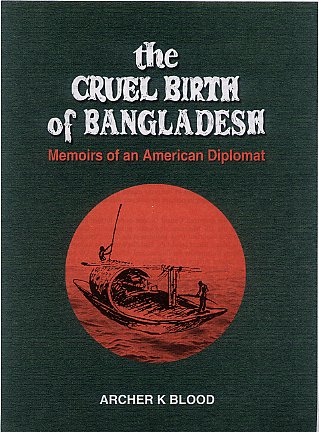
The Cruel Birth of Bangladesh by Archer Blood
U.S. Consul General Archer Blood was the top US official stationed in Dhaka, East Pakistan, during the 1971 Bangladesh Liberation War, when the 1970 Pakistani General Election results were dismissed and the Pakistan Army unleashed their genocidal campaign with Operation Searchlight on March 25, 1971. “The Cruel Birth of Bangladesh” stands out as his memoir during those fateful years, where his commitment to justice in the face of pro-Pakistan U.S. Cold War policy heralded by US President Richard Nixon and US Secretary of State Henry Kissinger, cost him his job at the time, but later ushered him into Bangladeshi stardom as a hero.
A detailed chronicle of the atrocities committed by the US-backed Pakistani military against the Bengali civilian population, Blood diligently documents the events of Operation Searchlight where widespread massacres, rapes and displacement into India led to Bangladesh’s eventual independence. Blood’s own correspondence of the events to Washington, famously remembered as the “Blood Telegram,” stands as a testament to his unwavering commitment to human rights and his own willingness to speak out against the brutalities he witnessed firsthand as an American statesman. A central theme of the book is the moral conflict between ethical responsibility and diplomatic duty as well as the indifference of global powers as a relevant reflection on the failures of international diplomacy.
Princeton Political Science Professor, Gary J. Bass, would later expand on this account from a perspective of International Law in his bestseller, “The Blood Telegram,” while current USAID Secretary Samantha Powers published a thesis on the failure of Responsiblity to Protect (R2P) in East Pakistan. Blood’s narrative focusing on American and South Asian leadership figures provides a much-needed description of the 1971 Bangladesh Liberation War from the level of elite political leadership. In addition to Nixon White House archives, Blood’s memoir are some of the most crucial primary source documents on the US perspective on the war, as the premier supporter of Pakistan’s military leadership due to their facilitator’s role in Nixon’s famed “Opening to China.” Blood’s account is a must-read to anyone wishing to better understand Bangladesh’s founding moments from the Western perspective.
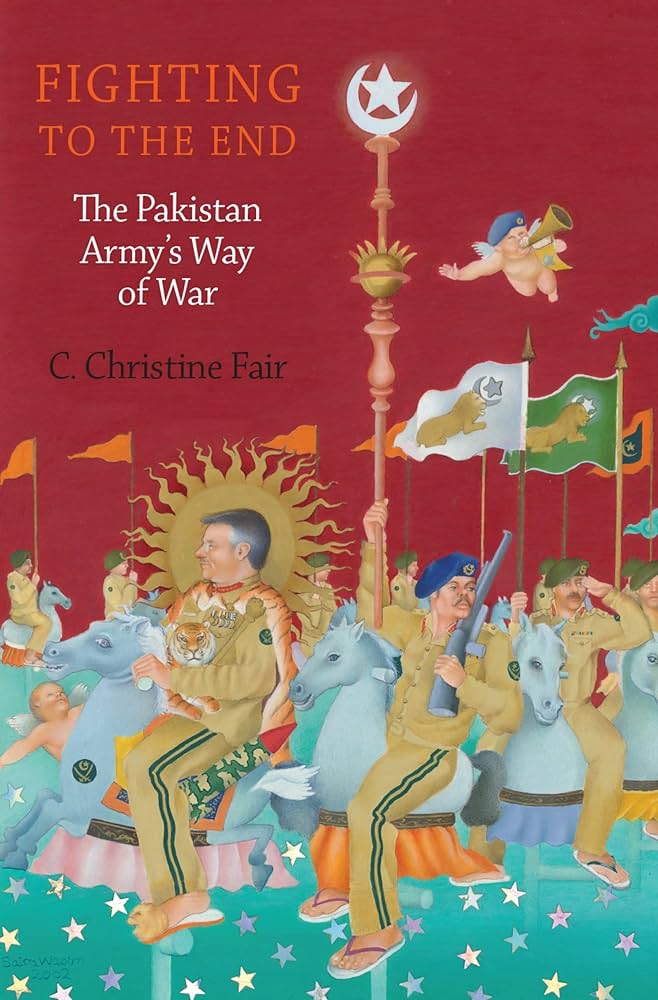
Fighting to the End: Pakistan Army’s Way of War by Christine Fair
Georgetown Professor of Security Studies and renowned South Asia expert, Christine C. Fair, provides one of the best and most comprehensive works on Pakistan’s military and security policies in “Fighting to the End: The Pakistan Army’s Way of War.” Through her use of a wide range of primacy sources including Pakistan Army journals, memoirs of military officers and official documents, Dr. Fair offers a deep dive on the historical and ideological underpinnings of Pakistan’s most important institutions as the key factor behind its regime survival. In particular, Dr. Fair’s study of Pakistan’s strategic culture and military doctrine explains not only why it remains firmly fixated on India as a rival, but also why it has maintained a monopoly over its civilian government even when it involves harassing minorities within its own territory at massive costs.
The book’s central argument is that the Pakistan Army’s strategic culture is inherently revisionist and ideologically driven which leads to a perpetual state of conflict with its larger neighbor — India. Dr. Fair argues that the army’s worldview is rooted in a deep-seated belief in the existential threat posed by India, which stretches back to the partition of British India and its subsequent war with India. Afghanistan and the need for strategic depth with its western neighbor is also given thorough treatment as the army also believes the inherited borders from partition leaves it with a revisionist neighbor in Kabul regardless which regime is in power. Dr. Fair argues that Pakistan’s failure to integrate non-Punjabi ethnic groups — whether they be Bengalis, Pathans, Balochis of Sindhis — all similarly stem from the umbilical relationship between the Punjabi-dominated roots of the Pakistan Army going back to the days of British India.
South Asia experts like Stephen Cohen and Christopher Jaffrelot have made great efforts to study Pakistan’s foundations as an ideologically-driven national project receiving most of its legitimacy from its military establishment. However, Dr. Fair’s treatment based in primary sources and her own track record as a renowned scholar on South Asian security, makes “Fighting to the End,” a stand-out among the many academic and security policy literature on Pakistan. The two nuclear-armed neighbors ongoing tensions and the history of Bangladesh’s liberation are key themes of the book, which make it a must-read for anyone hoping to better understand South Asian security and politics.
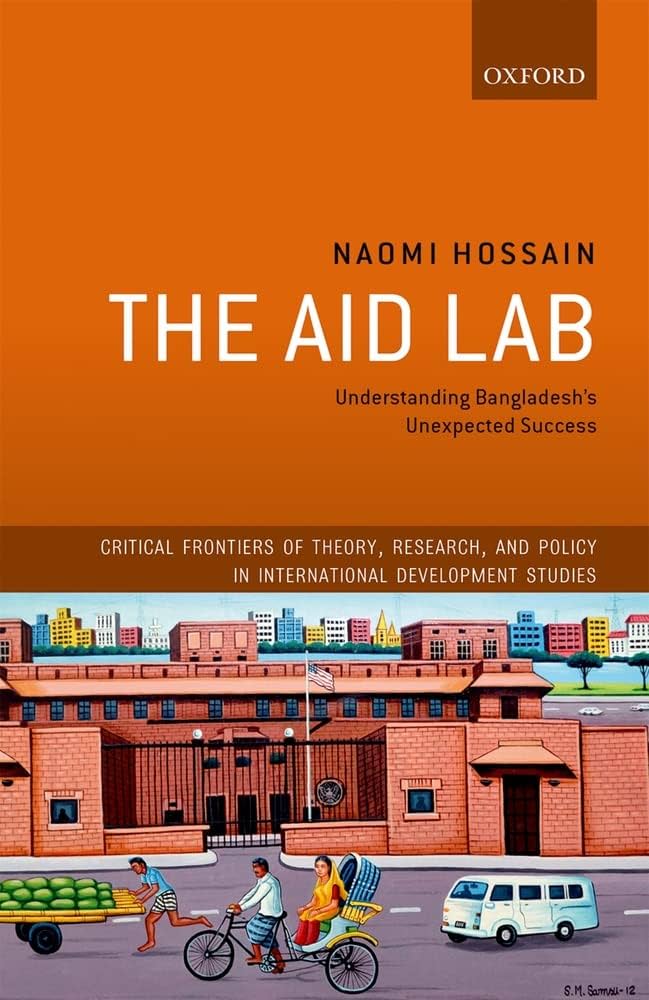
The Aid Lab: Understanding Bangladesh’s Unexpected Success by Naomi Hossain
Economist Naomi Hossain is a leading researcher on the Politics of Development at American University, whose comprehensive analysis of Bangladesh’s development trajectory and role of international aid in its progress is a truly original work on Bangladesh’s transformation from “basket case” to an emerging development success story. While many scholars and journalists have touched upon Bangladesh’s economic rise in the region, Dr. Hossain’s book is a thorough and nuanced narrative balancing the contributions of both external aid and internal dynamics in the country’s highly-touted development story.
Dr. Hossain begins with setting the historical context by describing the challenges Bangladesh faced post-Independence, most notably the precarious relationship between political leadership and the ability to protect its population from natural disasters and economic hardships after the 1975 famine and 1970 Bhola Cyclone. While she acknowledges the international aid utilized by Bangladesh, she goes to lengths to describe how it was integrated into both national policies and local initiatives which led to successful collaborations between the government, non-governmental organizations and international donors. Renowned for the largest NGO sector in the world, Dr. Hossain also credits grassroots movements driving development including the impact of organizations like BRAC and Grameen Bank, which introduced microfinance and other social innovations focused on empowering the poor, especially women. Successive governments improving health, advancing education and reducing poverty through emphasis on social outcomes are also included in her analysis.
”The Aid Lab’s” scholarly novelty is rooted in Dr. Hossain’s combination of empirical data, qualitative research and interviews of key stakeholders in order to paint a clear picture of Bangladesh’s economic rise. While her writing is accessible and rich, critics argue that the book also overstates postitive aspects of Bangladesh’s development, pointing to the lack of attention to political stability, corruption and environmental issues. Overall, the book stands out as an incredible contribution to understanding Bangladesh’s economic success in recent years.
Many Rivers, One Sea: Bangladesh and the Challenge of Islamist Militancy by Joseph Allchin
Published in 2019, Joseph Allchin’s examination of the socio-political landscape in Bangladesh and the factors contributing to the emergence of radical Islamist movements in the country is a unique addition to the security and political environment in the country. Integrating diverse sources as well as interviews with key figures, government officials and ordinary citizens, Allchin provides a well-rounded perspective on the issue. The central thesis of the book centers on how the complex interplay of religion, politics and militancy in Bangladesh’s historical and contemporary contexts lead to the country’s ongoing predicaments with Islamist extremism.
Starting with the nation’s independence in 1971, Allchin takes note of political shifts beginning with the secular foundations laid by the Awami League as a departure from the Pakistani hybrid military regime and the subsequent rise of Islamist politics. Arguably, the rivalry between the two major political parties — the Awami League and Bangladeshi Nationalist Party — are given partial blame for creating an environment where extremism can thrive. Out of this mix, the book explains how various Islamist groups operating in Bangladesh such as Jamaat-e-Islami and its student wing, Islami Chhatra Shibir, are allowed free rein in public settings by tracing their ideological foundations and evolution over the years. Socioeconomic factors ranging from poverty, lack of education and social inequality are also described as reasons leading to fertile grounds for radicalization as well as the role of madrasas for propagating extremist ideologies. Bangladesh’s domestic security forces’ role in crackdowns as well as the the broader geopolitical context accounting for anti-India sentiments, Pakistan ties as well as US and Saudi roles are also included in Allchin’s analysis.
The book is praised for its thorough treatment of extremism in Bangladesh and its in-depth analysis of the ideological underpinnings of the Islamist movements he describes. Allchin’s book is both an original contribution and a thorough text with valuable insights for scholars, policymakers and all interests in the dynamics of political Islam and extremism in Bangladesh.

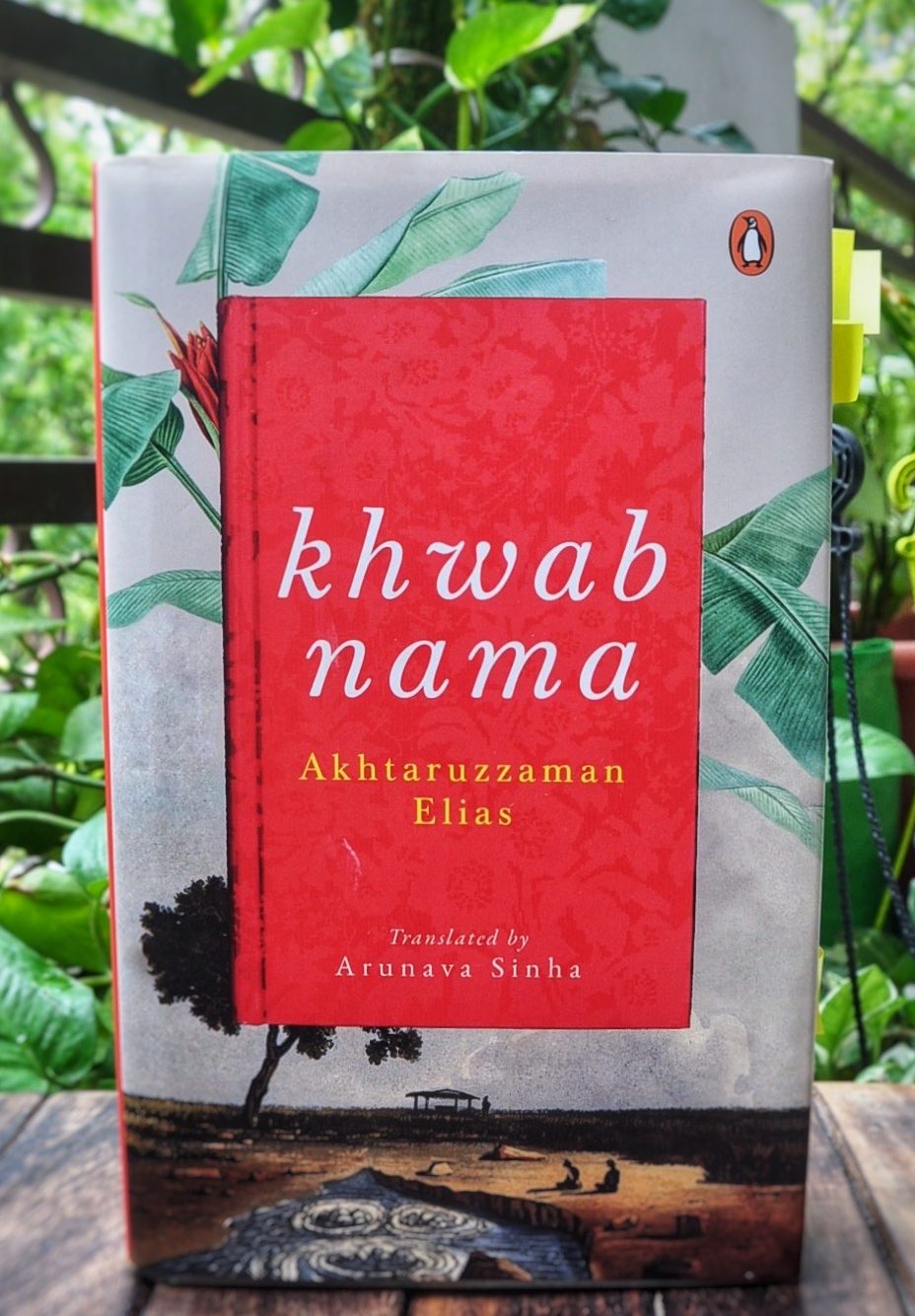
Khwabnama by Akhterruzzaman Elias
Khwabnama,” penned by Akhtaruzzaman Elias, is a magnum opus of Bengali literature that delves deep into the socio-political fabric of East Bengal during the tumultuous period of the 1940s. Set against the backdrop of the Tebhaga movement, a significant peasant uprising in Bengal, the novel intertwines history, politics, and human emotions to create a compelling narrative.
The novel’s title, “Khwabnama” (The Book of Dreams), is fitting as it explores the dreams, aspirations, and struggles of its characters. The story is centered around a rural Bengali village where peasants are fighting for their rights against oppressive landlords. Through vivid and often poetic prose, Elias brings to life the collective and individual dreams of the villagers, set against the larger political movements of the time.
The novel juxtaposes dreams with harsh realities. The title itself suggests a narrative steeped in dreams—both literal and metaphorical. Characters often dream of a better future, but these dreams are constantly challenged by the socio-political realities of their time.
At its core, “Khwabnama” is a story of resistance. It vividly depicts the struggles of the peasants against the exploitation of the zamindars (landlords). The Tebhaga movement, which sought to reduce the share of the harvest taken by landlords from two-thirds to one-third, serves as the historical backdrop of this resistance.
Elias meticulously portrays the cultural and social milieu of rural Bengal. The customs, festivals, and everyday life of the villagers are depicted with great detail, adding depth and authenticity to the narrative.
Elias’s writing is noted for its richness and depth. His prose is lyrical, often bordering on the poetic, which adds a dreamlike quality to the narrative. The use of local dialects and idioms further immerses the reader in the rural Bengali setting. Elias does not shy away from depicting the brutality and harshness of peasant life, balancing the beauty of his prose with the grim realities faced by his characters.
The historical context of the Tebhaga movement is integral to understanding the novel. This movement was a crucial chapter in Bengal’s agrarian history, marking a significant fight for peasant rights. Elias uses this backdrop not just to tell a historical story but to delve into the larger themes of justice, equity, and human dignity.
“Khwabnama” is more than just a novel; it is a powerful testament to the resilience of the human spirit in the face of oppression. Akhtaruzzaman Elias masterfully blends history, politics, and literature to create a narrative that is as enlightening as it is engaging. The novel stands as a significant work in Bengali literature, offering readers a profound insight into a pivotal period in Bengal’s history.
For those interested in understanding the socio-political landscape of Bengal in the 1940s, or for those simply seeking a beautifully written and deeply moving story, “Khwabnama” is a must-read. Elias’s ability to capture the essence of a time and place, and to tell the stories of those often forgotten in the annals of history, makes this novel a timeless piece of literature.
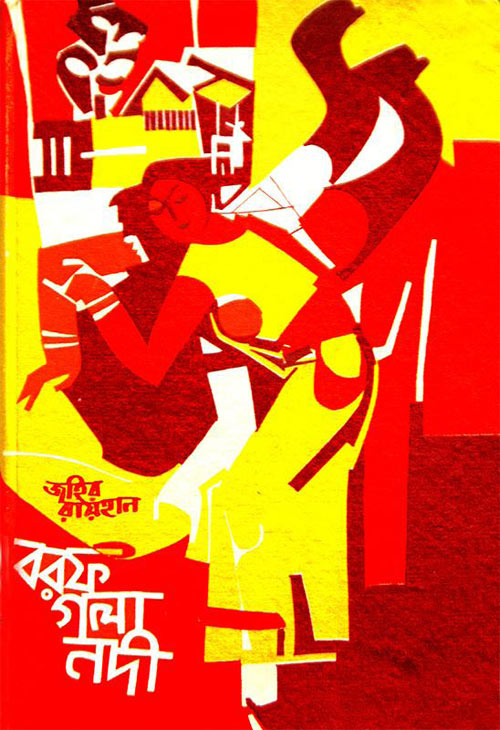
Borof Gola Nadi by Zahir Raihan
“Borof Gola Nadi” by Zahir Raihan is a compelling novel that delves into the complexities of human nature amidst the backdrop of socio-political turmoil. Set against the icy rivers and rugged terrain of the Chittagong Hill Tracts, Raihan weaves a narrative that is both poignant and thought-provoking.
The story follows the protagonist, Bashir, a young man whose life is intertwined with the indigenous people of the region. Through Bashir’s eyes, Raihan explores themes of identity, belonging, and the struggle for justice in a society plagued by inequality and exploitation. The author skillfully navigates the tensions between tradition and modernity, as well as the clash between different cultural perspectives.
One of the novel’s strengths lies in its vivid portrayal of the natural landscape, which serves not only as a backdrop but as a character in its own right. Raihan’s descriptive prose captures the harsh beauty of the environment, enhancing the reader’s immersion in the story.
Moreover, “Borof Gola Nadi” is a critique of power dynamics and social injustice, as seen through the lens of Bashir’s personal journey. The narrative is nuanced, highlighting the complexities of human relationships and the moral dilemmas faced by individuals caught in the crossfire of larger societal conflicts.
Overall, Zahir Raihan’s “Borof Gola Nadi” is a masterpiece of Bangladeshi literature, offering readers a profound exploration of humanity’s strengths and weaknesses in the face of adversity. It is a book that resonates long after the final page is turned, leaving a lasting impact on its audience.
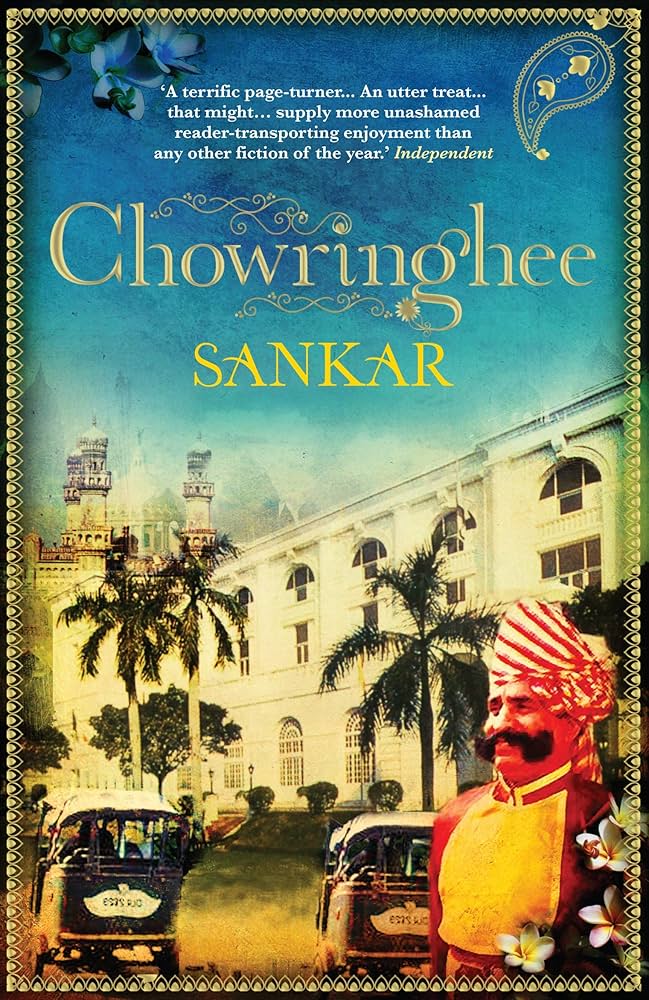
Chowringhee by Sankar
“Chowringhee” by Sankar is a captivating novel that immerses readers in the vibrant tapestry of life in Kolkata’s iconic Chowringhee district. Set against the backdrop of the bustling Shahjahan Hotel, the story unfolds through the eyes of its narrator, Shankar, a young man who joins the hotel as a receptionist.
The novel beautifully captures the essence of post-colonial Kolkata, with its blend of cultures, aspirations, and social stratifications. Sankar skillfully weaves together a tapestry of characters from different walks of life: from the enigmatic hotel manager, Marco Polo, to the glamorous and tragic figure of Karabi Guha, each character adds depth to the narrative.
Through Shankar’s interactions with the hotel guests and staff, “Chowringhee” explores themes of ambition, love, betrayal, and the pursuit of identity in a rapidly changing urban landscape. The author’s keen observations and vivid descriptions bring the bustling streets of Kolkata to life, evoking a sense of nostalgia and melancholy.
One of the novel’s strengths lies in its portrayal of human relationships and the complexities of power dynamics within the hotel’s microcosm. Sankar deftly navigates the interplay between class, gender, and ambition, offering readers a nuanced portrayal of both the joys and sorrows that come with pursuing one’s dreams in a city full of contradictions.
Overall, “Chowringhee” is a timeless masterpiece of Indian literature that continues to resonate with readers for its evocative portrayal of Kolkata and its unforgettable characters. Sankar’s narrative prowess and deep understanding of human nature make this novel a must-read for anyone interested in exploring the intricacies of urban life and the human spirit.
 The Bengal Gazette