By Cynthia Rahman
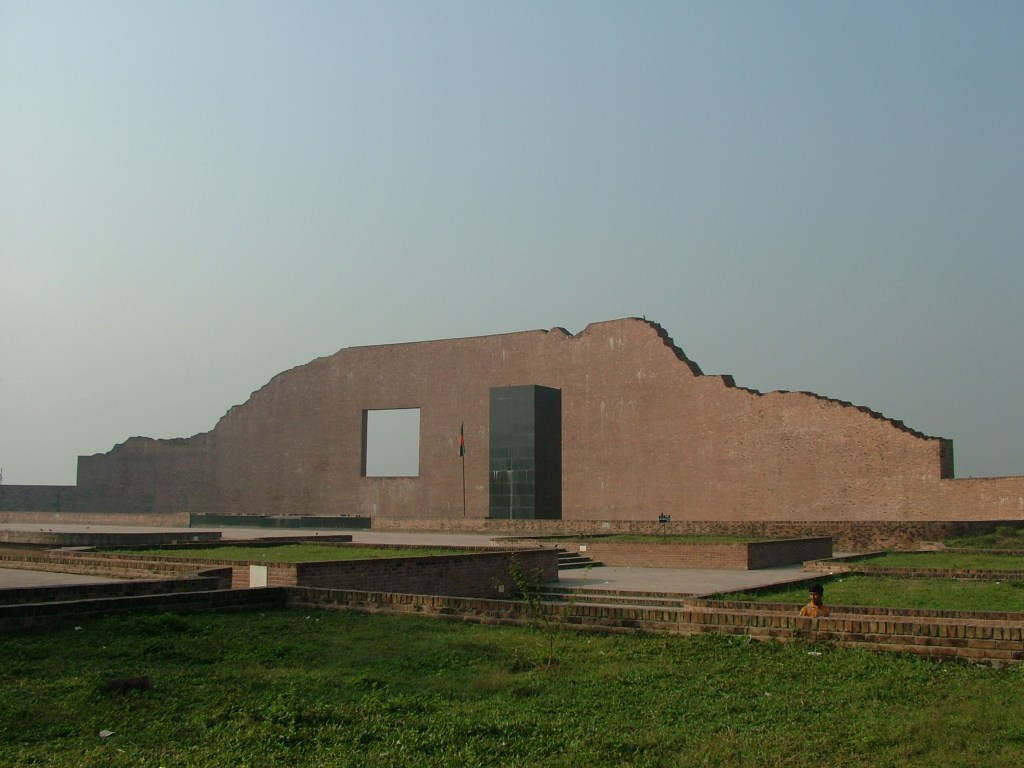
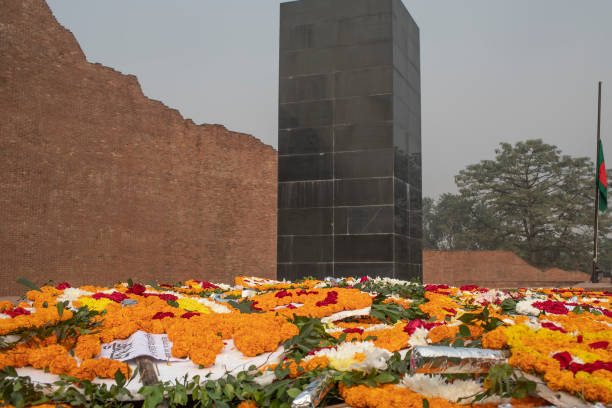
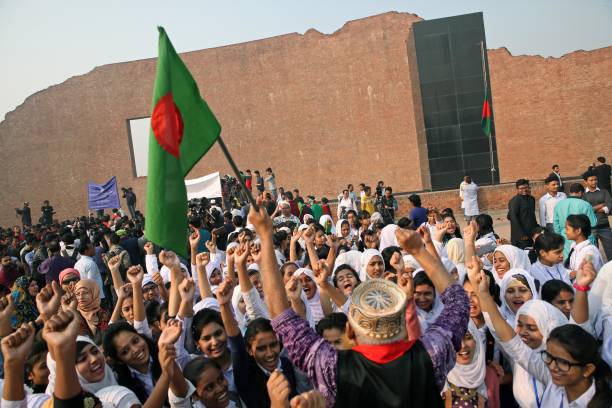
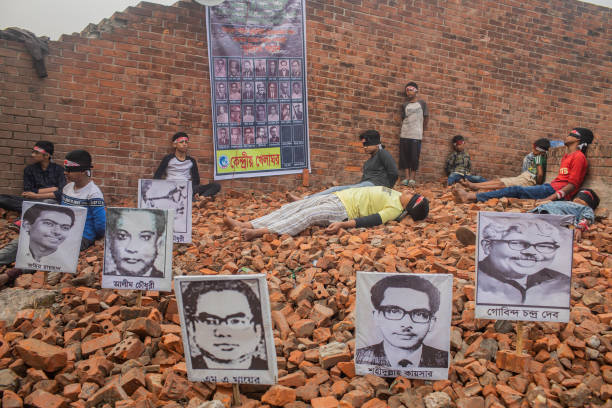
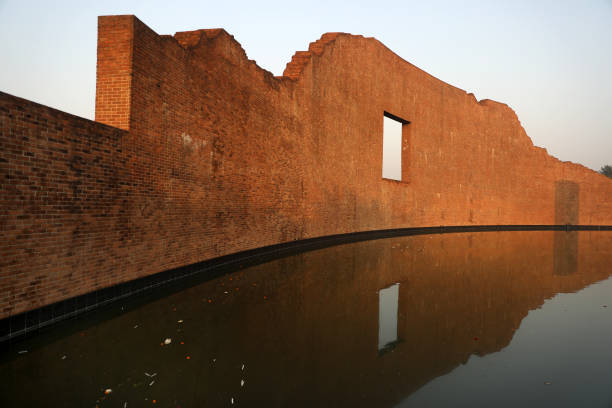
Martyred Intellectuals Day, also known as Buddhijibi Dibosh, is observed on the 14th of December. About two days before independence, the Pakistani Military had led a coup on all intellectuals of Bangladesh (formerly East Pakistan) in which many doctors, lawyers, scientists, etc. were hunted down to be killed.
I wanted to share the story of grandfather Dr. Mujibur Rahman who narrowly escaped from being murdered on that day where many intellectuals like him were killed. I wish my grandfather would have been alive to tell you this story himself but the purpose to sharing this piece is to discuss how the negative impact of Pakistan’s military could’ve suppressed scientific development, or how it unfortunately took away lives of many who would have stood by us today changing the course of the nation or the world.
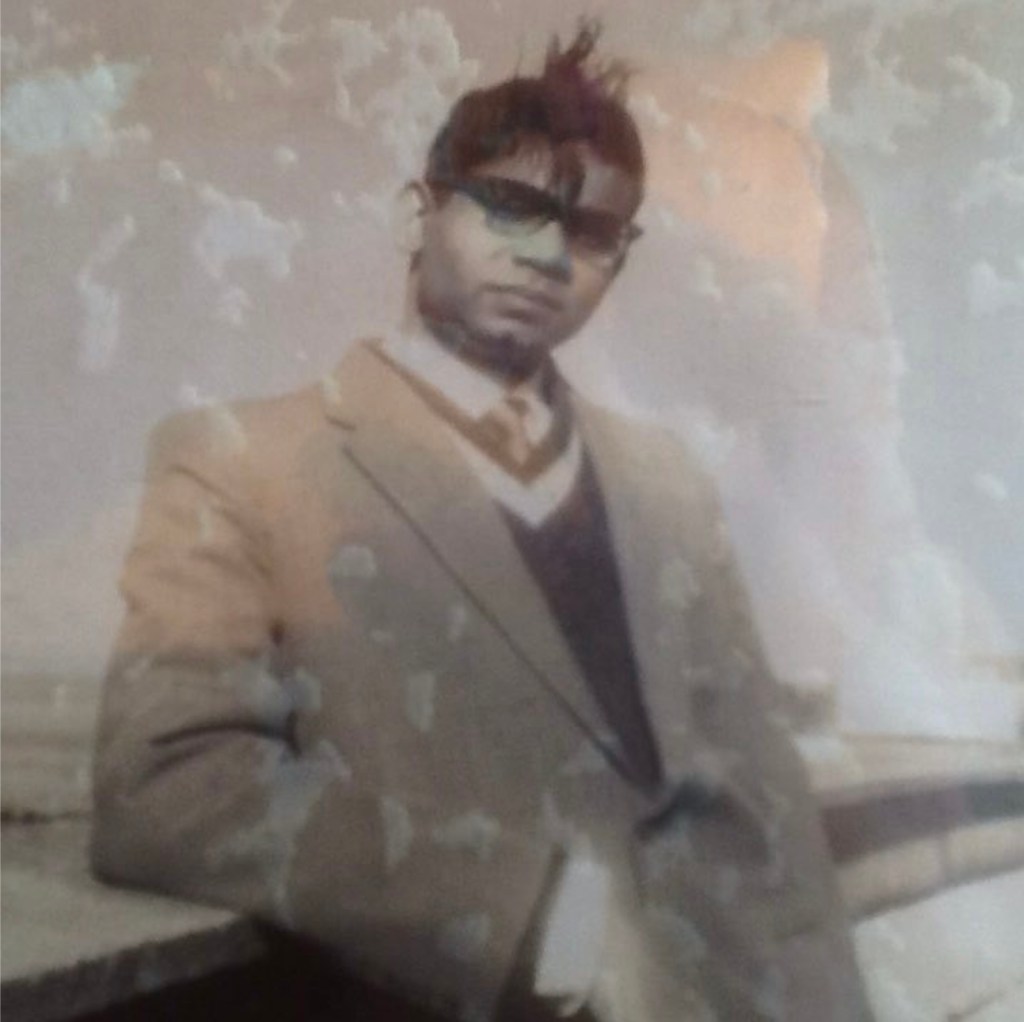
In 1936, my grandfather was born and raised in the village of Rangpur, the North Western region of Bangladesh. He completed most of his studies there and studied in Dhaka Medical College in 1959.
When he was 10 years old, he had seen his mother pass away from disease. Unable to save his mother as a young boy, his life’s goal had become to help people. Nutritional research and humanitarian work was his greatest passion. In a time when Bangladesh suffered through the cruel threat of Cholera epidemic that predominantly killed both infants and adults from lower-income families, Cholera research was a huge necessity. Unhappy with his career as a doctor, he went onto becoming a scientist in order to help find the cure for Cholera. My grandfather quit his high paying job and pursued graduate school. With passion, hard work and intelligence he received a full scholarship to pursue a Master’s degree in Nutrition in Columbia. Afterwards he pursued a PhD in Public Health in Glasgow.
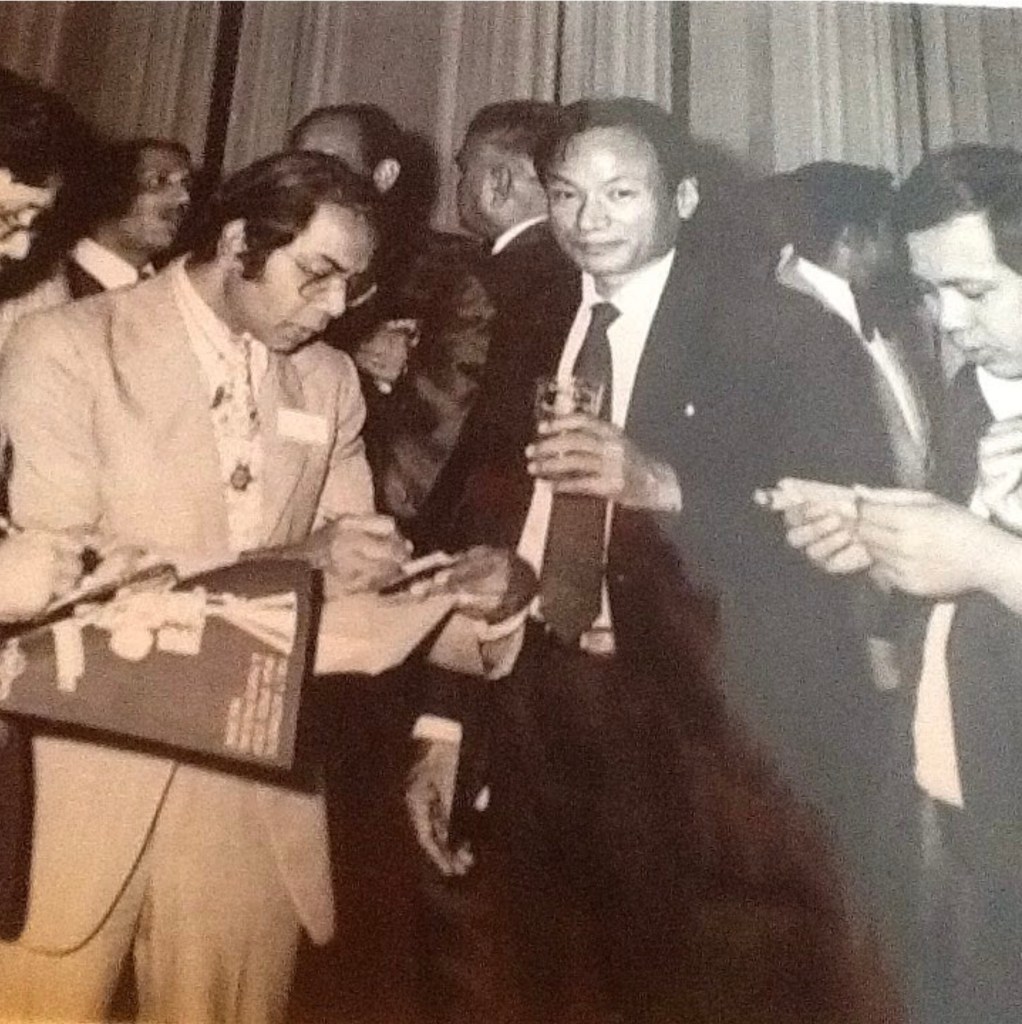
His work in nutrition and public health had forever revolutionized nutritional development in the Global South and Bangladesh in particular. He had pioneered Saline IV and the Oral Rehydration Saline (ORS) therapy to treat cholera and other diarrheal diseases — finding the very cure that he had been looking for. While the Saline IV is widely used in hospitals today, the purpose of the ORS therapy was to create an alternative for people who aren’t able to afford medical care. The beauty of the oral rehydration saline therapy was the simplicity of the solution and its accessibility. This solution could easily be created with staple Bengal household goods such as rice or molasses. This was transformative for the marginalized and impoverished communities who were disproportionately plagued by the diseases. He was one of the two co-authors to the study that discovered that skinfold thickness can be used to determine body fat content. His nutritional research is a “citation classic” and cited in many other ground-breaking nutritional health research.
My grandfather began working in Bangladesh’s Cholera Research Laboratory spearheaded by International Centre for Diarrhoeal Disease Research, Bangladesh (ICDDRB) in 1966. In 1971 when the war had begun, foreign expatriates who were on board had immediately escaped, leaving behind the lab in my grandfather’s hand. Becoming the very first Bangladeshi director of ICDDRB, especially amidst the war, had brought about a mountain of challenges — mainly funding.
Due to Bangladesh’s association with the communist party, Bangladesh’s allies no longer included the United States and its allies. In fact, President Nixon himself had largely supported the Pakistani through military aid fighting both communist and non-communist forces of Bengal. In the grand scheme of things, any and all development work previously funded by the United States were at the risk of dissolving. However, as the Director, his job was not only to partake in the war effort, but also remember that cholera research was equally important in saving lives. For months on, many of his employees including himself secretly gave up their salaries to contribute to the center, similar to the Freedom Fighters. Even in the newly independent Bangladesh when the US government wasn’t keen on contributing the Cholera lab in the country they refused to support their linguistic and political sovereignty.
Despite his role as a scientist, his work to transform the world around him continued through continuous public health activism. He has also led many disease prevantative works of installing latrines and tube wells in rural areas which previously didn’t exist. Mortality rates in Bangladesh in Bangladesh rose from 50 years to 70 years before and after his work began. His work in the ICDDRB cholera lab continued to be a part of public health activism.
Amidst the struggle with keeping the lab alive during the war, he became a threat to the Pakistani military as they understood the power of education and the impact of it to mobilize people against an oppressive military regime. Also the killing of an intellectual class would harm further development of a nation.
My family was fortunate enough that through a friend my family found out that my grandfather had made it to the blacklist of people that were going to be murdered. Upon receiving that news my family instantly moved far away from their home to a friend’s house to seek refuge. I wonder if he ever imagined that his work and passion one day would also bring about such danger to him and his family. But despite this, he was unstoppable at both his war-effort and mission to cure cholera.
But with his approachable and initiative spirit, he was able to convince organizations such as the International Rescue Committee and National Institute of Health to continue funding the lab. His initiative efforts had forever transformed the conditions of the lab bringing innovative contributions such as the cholera Saline IV. His research created mobilized versions of the Cholera Saline IV to rural areas where health facilities at the time were non-existent— leading to a 20% lower mortality rate.
With everything he was able to contribute to the well-being of people, I wonder how all this would’ve been possible if my grandfather would have become a victim of this operation?
 The Bengal Gazette